
4-H Dog Showmanship Practice Test
$69.00
- Buy to unlock unlimited access to all Quiz questions and Answers in this Quiz.
- After purchase you can print a PDF of the whole quiz at any point. The PDF will contain the questions and the correct answers.
About this Exam
The 4-H Dog Showmanship Practice Exam is an essential tool for young handlers preparing for the competitive and rewarding world of 4-H dog confirmation and handling. This practice test is specifically designed for 4-H members, typically ages 8-18, who aim to master the art of presenting their canine companion before a judge. Unlike dog obedience or agility, showmanship focuses entirely on the handler’s ability to showcase their dog's best qualities through poise, grooming, and correct handling techniques.
Ready to test your knowledge?
Buy Now to Access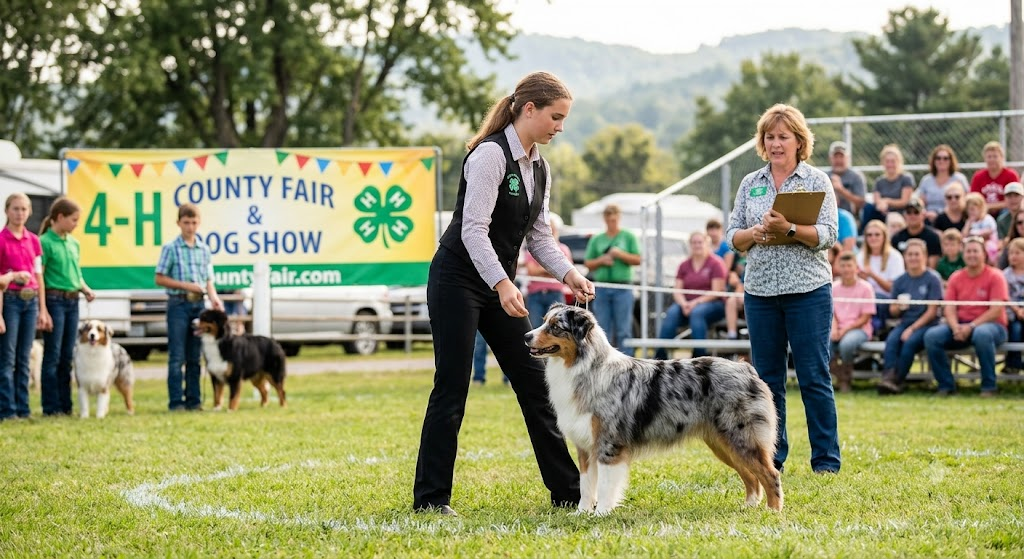
Additional Information
What the Course Entails and Exam Details
To succeed, handlers must demonstrate a comprehensive skill set. The preparation course and subsequent evaluation cover several core competencies:
Grooming and Presentation: Understanding the standard for your specific breed and ensuring the dog is clean, brushed, and presented in peak condition.
Show Ring Etiquette: Knowing how to enter and navigate the ring, following judge’s instructions, and maintaining a positive, sportsmanlike attitude.
Handling Techniques: Mastering the "stack" (positioning the dog’s feet correctly) and "gaiting" (moving the dog at the correct speed to show movement).
Knowledge of Canine Anatomy and Breeds: The judge may ask handlers questions about their dog's breed history, parts of the dog, or general health.
Judge's Criteria: Learning what a judge looks for, including posture, focus, teamwork, and the ability to adapt to changes in the ring.
What to Expect in the Final Exam
While a practice test may be a written quiz or an online simulation to gauge knowledge, the final 4-H Showmanship Evaluation is a dynamic, practical event held in a show ring.
Practical Format: You and your dog will enter the ring with other competitors.
Judged Components: The judge will evaluate how you stack your dog, how you gait your dog (often in a pattern like an 'L' or a triangle), and your ability to keep the dog between yourself and the judge.
Evaluation Criteria: You will be scored on your attitude, your dog’s condition and grooming, and your overall presentation and control as a handler.
Oral Questions: Be prepared! The judge will often ask specific questions to test your canine knowledge, covering topics from dog care to breed standards.
Scoring and Placing: Participants are evaluated and receive ribbons or placings based on their performance against the established standards.
How to Study and Exam Centers
Effective preparation is key to show ring success. Your study guide should emphasize consistent, hands-on practice:
Practice Daily: Work on stacking and gaiting with your dog at home, in short, positive sessions.
Utilize 4-H Manuals: Study the official 4-H Dog Showmanship manuals for your state, which contain detailed guidelines and sample questions.
Attend Workshops and Clinics: Take advantage of 4-H sponsored clinics where you can receive feedback from experienced leaders and judges.
Video Your Practice: Have someone record your handling, then review it to identify areas for improvement in your posture or technique.
Watch Experienced Handlers: Attend other dog shows and observe how seasoned handlers move and interact with their dogs.
The 4-H Dog Showmanship evaluations are hosted locally by county 4-H programs, typically culminating at county and state fairs. Practice tests can often be accessed online through 4-H extension websites or provided as study aids by local club leaders.
Job Opportunities from the Course
A foundation in 4-H Dog Showmanship opens doors to various rewarding careers in the animal industry, building valuable skills in responsibility, sportsmanship, and animal husbandry.
Professional Dog Handler: Competing at AKC or other major confirmation events for clients.
Dog Trainer: Applying handling knowledge to teach obedience or behavioral skills.
Veterinary Assistant or Technician: Utilizing knowledge of canine anatomy and health in a clinical setting.
Pet Groomer: Mastering presentation standards for different breeds.
Animal Behaviorist: Understanding the psychology and movement of dogs.
4-H Leader or Judge: Passing on knowledge and evaluating the next generation of youth.
Frequently Asked Questions
Reviews
5.0
Based on 0 reviews
Leave a Review
No reviews yet. Be the first to review!