
Basic Unmanned Aircraft Systems Qualification (BUQ I) Practice Test
$69.00
- Buy to unlock unlimited access to all Quiz questions and Answers in this Quiz.
- After purchase you can print a PDF of the whole quiz at any point. The PDF will contain the questions and the correct answers.
About this Exam
The Basic Unmanned Aircraft Systems Qualification Level I (BUQ I) is the foundational standard for unmanned aviation within the Department of Defense. It is designed specifically for service members and authorized personnel who will be operating Small Unmanned Aircraft Systems (sUAS), typically defined as Group 1 and Group 2 assets. By mastering this level, operators demonstrate a comprehensive understanding of core aviation principles required to safely integrate unmanned platforms into controlled and uncontrolled airspace. Successfully completing this qualification is the vital first step toward becoming a rated sUAS pilot within a military framework.
Ready to test your knowledge?
Buy Now to Access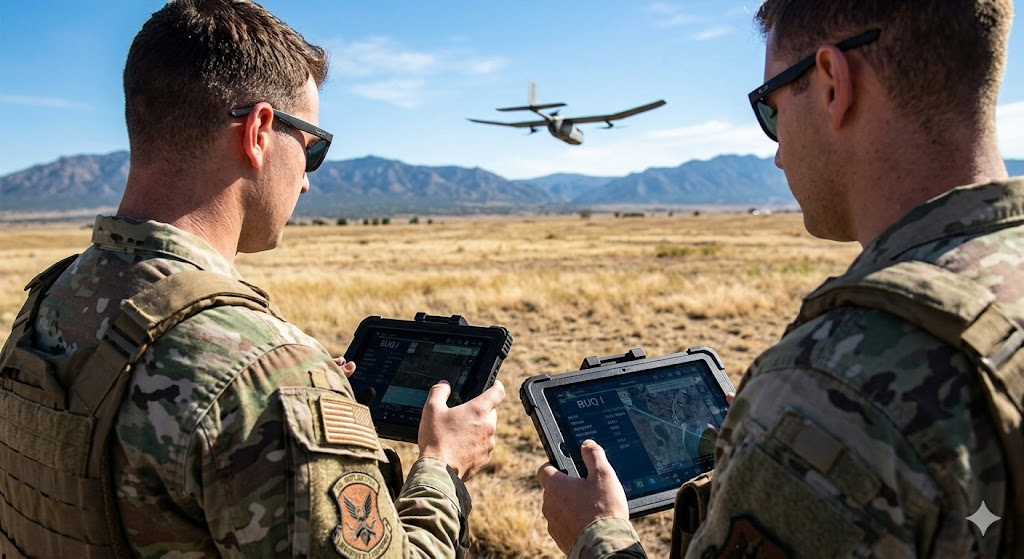
Additional Information
What the Course Entails and Exam Details
The BUQ I curriculum provides students with the critical knowledge needed to transition from being a ground technician to an aerial operator. This comprehensive course covers fundamental principles of flight, including basic aerodynamics for both rotary and fixed-wing assets.
You will study essential meteorology concepts to understand how weather affects mission safety and system performance. A significant portion of the course is dedicated to navigating the National Airspace System, emphasizing Visual Flight Rules (VFR) communications and operating requirements.
Furthermore, you will delve into Crew Resource Management (CRM), mission preparation, Air Traffic Control (ATC) procedures, and crucial emergency response protocols. This theoretical grounding is the mandatory prerequisite for any future hands-on flight training.
What to Expect in the Final Exam
When you advance to the BUQ I Final Exam, you can expect a rigorous evaluation of your theoretical knowledge presented in a computerized multiple-choice format. The exam consists of several dozen questions covering the entire syllabus mentioned above.
While the exact passing score can vary slightly between different military services, a minimum score of 80% is generally required to demonstrate proficiency and receive qualification.
You should expect strict time limits for the exam, necessitating quick recall and decisive reasoning. No outside materials or aids are permitted during the testing session to ensure the integrity of the qualification.
How to Study and Exam Centers
Preparation is the key to success for this entry-level but challenging exam. Start by thoroughly reviewing all provided course modules, slides, and handouts, paying close attention to bolded terms and "Bold Face" or critical emergency memory items. Constructing flashcards for airspace classes, communication terminology, and aviation forces (lift, weight, thrust, drag) is highly recommended. Utilizing a reputable BUQ I practice test is the best way to simulate the actual exam experience, allowing you to identify knowledge gaps and manage your time effectively.
Because this is a Department of Defense qualification, the exam is typically administered through authorized online military portals such as Joint Knowledge Online (JKO) or branch-specific learning management systems. For personnel attending formal schoolhouses, testing may occur at authorized military physical testing centers under the supervision of qualified proctors.
Job Opportunities from the Course
Successfully completing the BUQ I qualification is the primary credential needed to advance in the field of military unmanned aviation. It opens doors to several specialized roles and career paths within tactical and operational units.
Possible job titles and paths unlocked by this certification include:
Small Unmanned Aircraft Systems Operator
Tactical Intelligence Drone Pilot
Intelligence Surveillance and Reconnaissance (ISR) Technician
Site Security sUAS Operator (Contractor)
Unit UAS Trainer/Evaluator
Frequently Asked Questions
Reviews
5.0
Based on 0 reviews
Leave a Review
No reviews yet. Be the first to review!