
Beer Judge Certification Program (BJCP) Practice Test
$69.00
- Buy to unlock unlimited access to all Quiz questions and Answers in this Quiz.
- After purchase you can print a PDF of the whole quiz at any point. The PDF will contain the questions and the correct answers.
About this Exam
Embark on a journey into the world of beer appreciation and evaluation with the Beer Judge Certification Program (BJCP). If you possess a passion for craft beer and have always dreamt of becoming a certified beer judge, then this practice test is your first step towards realizing that ambition. Designed for enthusiastic homebrewers, beer industry professionals, and all individuals with a keen interest in sensory evaluation and beer styles, the BJCP certification validates your expertise in identifying and accurately describing the diverse characteristics of different beer types. Taking the BJCP Practice Test allows you to gauge your knowledge, identify areas for improvement, and gain confidence before taking the actual exam.
Ready to test your knowledge?
Buy Now to Access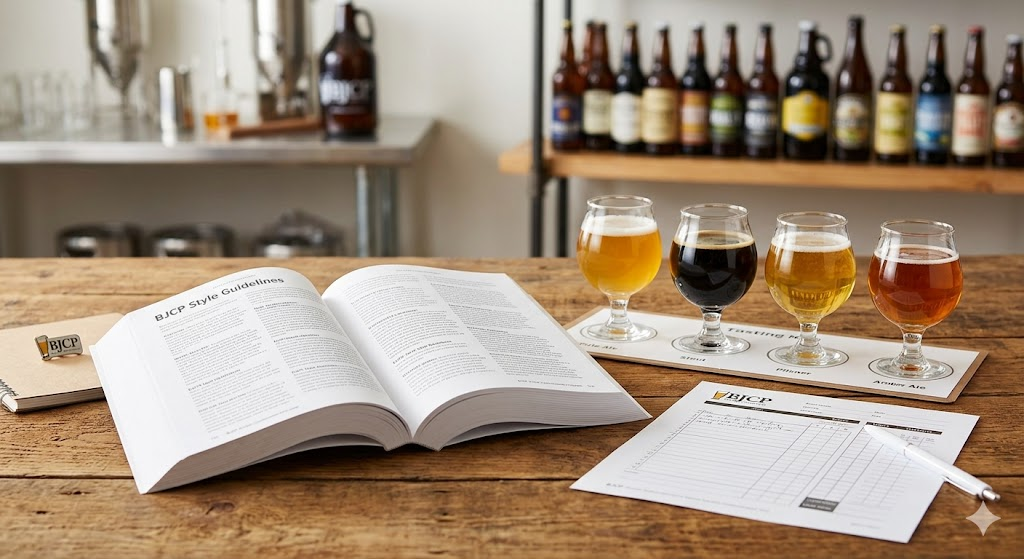
Additional Information
What the Course Entails and Exam Details
The BJCP program is not just an exam; it's a comprehensive educational journey that equips you with the necessary skills and knowledge to become a competent beer judge.
While the focus is heavily on practical sensory evaluation, a robust theoretical foundation is also crucial.
Here’s an overview of what you can expect to delve into during your preparation:
Beer Style Guidelines: This is the cornerstone of the BJCP program. You will thoroughly study the comprehensive BJCP Style Guidelines, which categorize and describe dozens of distinct beer styles from around the world. You'll learn the characteristic aroma, appearance, flavor, mouthfeel, and overall impression of each style, including classic examples and potential off-flavors.
Brewing Process: Understanding the fundamental steps in brewing is essential for appreciating the origins of different flavors and aromas. You'll gain knowledge about ingredients (malt, hops, water, yeast), mashing, boiling, fermentation, and packaging, and how variations in these processes impact the final beer.
Sensory Evaluation: Developing your palate is crucial. You'll learn to systematically analyze and describe the visual, olfactory, and gustatory aspects of beer. This involves recognizing key components like malt sweetness, hop bitterness, ester profile, phenolic character, and identifying common off-flavors (e.g., diacetyl, DME, acetaldehyde) and their causes.
Judging Procedures: The BJCP emphasizes proper judging etiquette and practices. You'll understand the roles and responsibilities of a judge, how to fill out scoresheets effectively, and how to participate in judging panels.
What to Expect in the Final Exam
The actual BJCP examination process is designed to rigorously test both your theoretical knowledge and your practical sensory skills.
It typically consists of multiple components:
Written Exam: This part evaluates your understanding of beer styles, brewing history, the brewing process, and judging practices. The format may include multiple-choice questions, true/false, short answer, and potentially even essays on specific topics. You'll need a solid grasp of the Style Guidelines and related technical information.
Tasting Exam: This is the hands-on component where your sensory skills are truly put to the test. In a controlled setting, you'll be presented with several beers (typically 6-8) to evaluate and score. You'll need to accurately identify the beer style, complete detailed scoresheets according to BJCP standards, describe its sensory characteristics, note any off-flavors, and assign appropriate scores for aroma, appearance, flavor, mouthfeel, and overall impression. Your scoresheets will be evaluated for accuracy, completeness, and consistency with other judges.
Passing Score Requirements: To become a certified BJCP judge, you need to achieve minimum scores on both the written and tasting portions. The requirements may vary slightly depending on the specific level of certification you are pursuing (e.g., Recognized, Certified, National, Master), with higher levels requiring higher scores and demonstrated judging experience.
Time Limits: Both the written and tasting exams have specific time limits. For the tasting portion, you'll generally have a set amount of time to evaluate and document your impressions for each beer. This requires efficient and systematic sensory analysis.
Specific Rules: BJCP exams adhere to strict protocols to ensure fairness and consistency. This includes confidentiality of the beers being evaluated, proper use of scoresheets, and adherence to established judging guidelines. It's essential to familiarize yourself with the BJCP Exam Administration Rules and Guidelines beforehand.
How to Study and Exam Centers
Preparing for the BJCP exams requires a combination of structured study and hands-on practice.
Here are some effective strategies to help you succeed:
Study the BJCP Style Guidelines: Make this your primary resource. Go through each style meticulously, understand the characteristics, and try to find and taste commercial examples that align with the descriptions.
Read Relevant Books and Resources: Dive into recommended books on brewing science, beer styles, and tasting techniques. Websites like Homebrewers Association (AHA) and online forums dedicated to beer judging can provide valuable insights and study materials.
Practice Tasting and Scoring: This is critical. Regularly taste different beer styles, ideally blind, and try to complete detailed scoresheets using the BJCP format. Share your notes with experienced judges if possible and seek feedback. Participate in homebrew competitions as a steward or shadow judge to gain practical exposure.
Join a Study Group: Collaborating with fellow aspiring judges can be immensely beneficial. Discussing different styles, sharing tasting notes, and quizzing each other can enhance your learning and identify weaknesses.
Understand Off-Flavors: Dedicate time to learning about common beer off-flavors, their causes, and how to identify them through sensory analysis. Online resources and off-flavor kits can aid in this process.
Review Sample Questions: While the actual questions change, reviewing sample written exam questions can give you an idea of the types of topics covered and the depth of knowledge expected.
Exam Centers and Where to Take the Exam:
BJCP exams are typically organized by local homebrew clubs or other affiliated groups in coordination with the BJCP administration. Unlike standardized tests offered at dedicated centers, BJCP exams require coordinated logistical arrangements.
Check the BJCP Website: The primary source for finding upcoming exams is the official BJCP website (bjcp.org). They have a dedicated section listing scheduled exam dates and locations worldwide.
Contact Local Homebrew Clubs: Often, homebrew clubs act as hosts for BJCP exams. Inquire with clubs in your area or region to see if they have any planned exams or can provide information on upcoming opportunities.
Online Registration: Once you identify an available exam, the registration process usually involves contacting the exam organizer (proctor) directly as listed on the BJCP website and following their instructions. Be aware that spaces can be limited, so early registration is advisable.
Job Opportunities from the Course
While the BJCP program is primarily focused on volunteer judging, obtaining certification demonstrates a high level of expertise in beer evaluation and styles, which can be advantageous in several career paths within the broader beer industry.
While not a direct job qualification in the traditional sense, a BJCP certification can enhance your credentials and open doors in these areas:
Brewery Position: Many breweries value employees with strong sensory analysis skills. BJCP certification can be a valuable asset for quality control (QC) specialists, cellar technicians, and potentially even brewers, helping them ensure consistency and identify off-flavors in production.
Taproom Staff and Managers: Expertise in beer styles and sensory evaluation is beneficial for taproom personnel who need to guide customers through diverse offerings, answer questions, and provide recommendations. Managers with BJCP knowledge can effectively select beers for the tap list and train staff.
Beer Writer/Blogger: Freelance or staff writing positions for beer-focused publications, websites, or blogs require a deep understanding of beer styles, brewing history, and the ability to articulate complex sensory experiences accurately.
Cicerone Certification Path: The BJCP program shares some overlap with the Cicerone Certification Program, which focuses specifically on professional beer service and stewardship. Having a BJCP background can provide a strong foundation for pursuing Cicerone levels.
Beer Educator/Consultant: Certified judges can leverage their expertise to teach classes on beer styles, appreciation, and evaluation for homebrew clubs, culinary schools, corporate events, or as independent consultants.
Distributor Sales Representative: Understanding different beer styles and their characteristics can help sales reps effectively market and sell craft beers to retailers, restaurants, and bars.
Remember that while BJCP certification is highly respected within the craft beer community, job requirements in the industry can vary significantly.
Combined with other relevant skills and experience, a BJCP credential can undoubtedly bolster your professional profile and enhance your opportunities within this vibrant field.
Frequently Asked Questions
Reviews
5.0
Based on 0 reviews
Leave a Review
No reviews yet. Be the first to review!