
CR-37 Plumbing Practice Test
$69.00
- Buy to unlock unlimited access to all Quiz questions and Answers in this Quiz.
- After purchase you can print a PDF of the whole quiz at any point. The PDF will contain the questions and the correct answers.
About this Exam
The CR-37 Plumbing Practice Test is an invaluable tool
designed specifically for aspiring plumbers and licensing applicants. This
certification-focused exam aims to validate comprehensive plumbing knowledge
essential for safe and code-compliant installations. It serves as a critical
stepping stone for anyone serious about building a successful career in the
plumbing trade. Both new entrants to the field and experienced professionals
seeking licensure can benefit significantly from challenging this test.
Ready to test your knowledge?
Buy Now to Access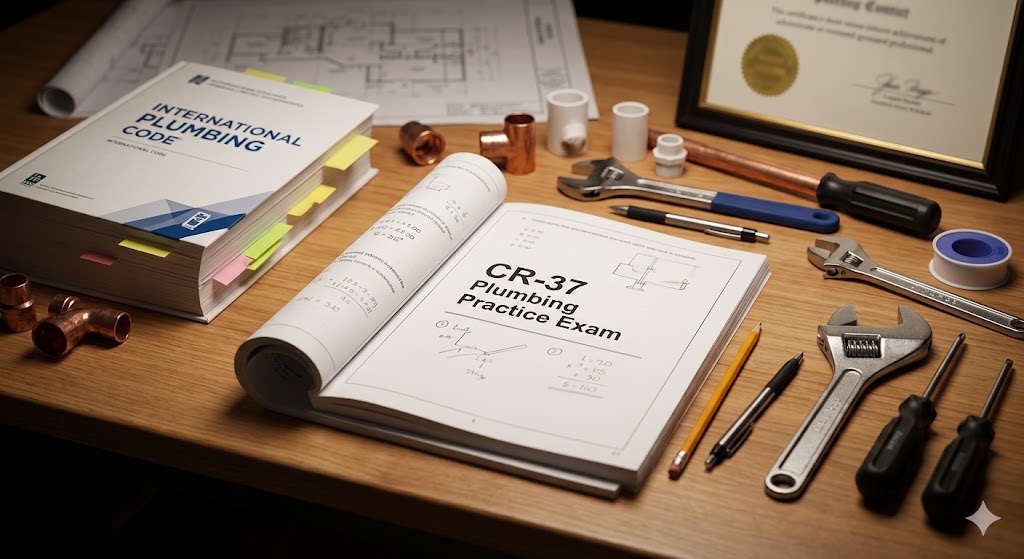
Additional Information
What the Course Entails and Exam Details
While this is a practice exam, it mirrors the breadth and
depth of a typical state licensing curriculum for plumbers. Key areas covered
include intricate details of water supply and distribution systems. You will be
tested on drainage, waste, and vent piping (DWV) systems. Expect questions
demanding a strong grasp of pipe sizing calculations, materials selection, and
proper joining methods. A significant portion of the assessment focuses on
interpreting and applying current plumbing codes. You must understand
regulations related to fixtures, traps, and interceptors. Knowledge of plumbing
safety protocols and testing procedures is also critical for success.
What to Expect in
the Final Exam
The actual plumbing licensing exam (which this practice test
prepares you for) generally follows a multiple-choice format. Expect dozens of
questions covering the technical and theoretical aspects of plumbing. A typical
time limit might range from two to four hours, demanding efficiency under
pressure. Passing score requirements vary by jurisdiction but typically fall
between 70% and 80%. It is crucial to verify specific rules, as some states
allow certain code books while others are strictly closed-book. Be aware that
licensure often also involves a practical, hands-on skills assessment in
addition to the written theory portion. While this practice exam is written,
you should prepare for both components comprehensively.
How to Study and
Exam Centers
Effective preparation for the licensing exam requires a
dedicated study plan incorporating various methods. Thoroughly review relevant
plumbing code books (IPC, UPC, or state-specific codes). Consistent practice
with study guides and practice tests like the CR-37 is essential. Consider
enrolling in plumbing-specific online or in-person review courses. Forming
study groups with fellow applicants can provide valuable peer support and
diverse perspectives. Utilize every available study resource, including technical
manuals and manufacturer instructions. Regarding the actual licensing
exam, you must typically register through your state's licensing board. These
exams are often administered at designated, proctored testing centers such as
Pearson VUE or Prometric, or directly at state government facilities or
approved vocational schools. Practice tests can be accessed through various
online learning portals and study guide providers.
Job Opportunities
from the Course
Successfully leveraging this practice exam and eventually
obtaining your plumbing license opens doors to numerous rewarding career paths.
You could secure employment as a Residential Plumber, specializing in home
installations and repairs. Explore roles as a Commercial Plumber, working on
larger-scale projects like office buildings and factories. Opportunities exist
as a Pipefitter, focusing on high-pressure piping systems. Become a Plumbing
Inspector for local municipalities, ensuring code compliance. With experience,
advance to positions like Plumbing Supervisor, Project Manager, or Service
Manager. Many successful plumbers also choose to become independent contractors
and business owners. Embark on a career as a maintenance plumber for large
facilities, hospitals, or educational institutions.
Frequently Asked Questions
Reviews
5.0
Based on 0 reviews
Leave a Review
No reviews yet. Be the first to review!