
DOH Community Health Nursing (CHN) Programs Practice Test
$69.00
- Buy to unlock unlimited access to all Quiz questions and Answers in this Quiz.
- After purchase you can print a PDF of the whole quiz at any point. The PDF will contain the questions and the correct answers.
About this Exam
The DOH Community Health Nursing (CHN) Programs certification is a significant qualification for nurses dedicated to public health and community-based care within the Philippines. This program, overseen by the Department of Health (DOH), is designed to validate the knowledge and skills of registered nurses who operate or wish to operate in the complex field of community health. It ensures they possess the core competencies required to implement national health programs, manage rural health units, and improve public health outcomes at the grassroots level. This certification is essential for nurses committed to making a tangible impact on population health.
Ready to test your knowledge?
Buy Now to Access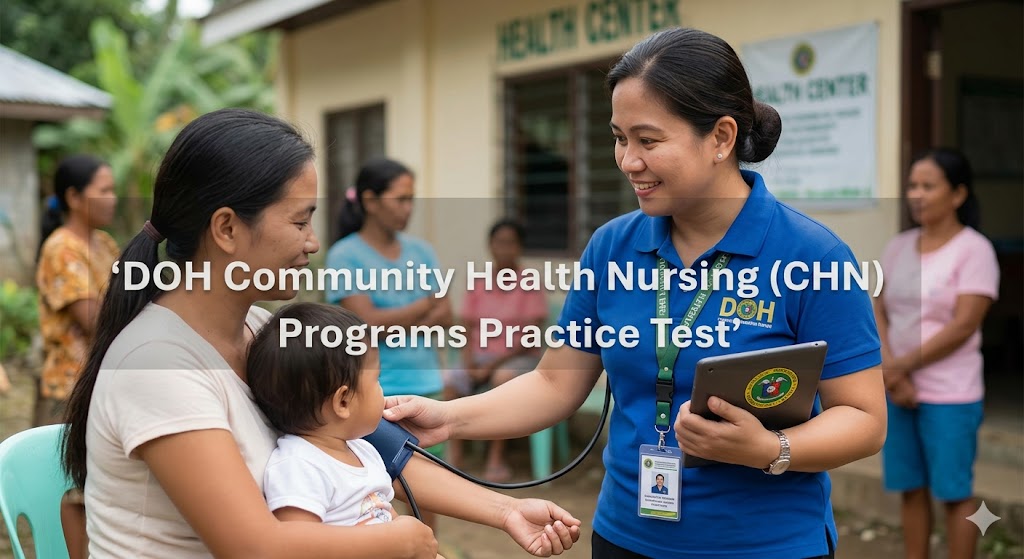
Additional Information
What the Course Entails and Exam Details
The CHN program encompasses a wide range of topics that are critical to effective public health nursing. The comprehensive curriculum covers core principles of community health nursing, primary healthcare strategies, and epidemiology. Furthermore, it details specific DOH National Health Programs, including maternal and child health, immunization initiatives, communicable disease control (such as TB and HIV/AIDS), non-communicable disease management, and environmental health standards. Understanding the devolution of health services and the local health systems within the Philippine context is also paramount to success.
What to Expect in the Final Exam
The final assessment for the DOH Community Health Nursing Program is typically a written examination designed to evaluate both theoretical knowledge and practical application through situational analysis. The most common format is multiple-choice questions, ranging from 100 to 200 items, focusing heavily on program guidelines and clinical scenarios in a community setting. While specific passing scores can vary, a minimum score of 70% to 75% is typically required. The time allotment for the exam usually ranges from two to four hours, depending on the number of questions, demanding consistent concentration and efficient time management from the candidates.
How to Study and Exam Centers
Effective preparation for this exam requires a structured approach. Focus your study on the official DOH program manuals, administrative orders, and guidelines, which are the primary sources for questions. It is crucial to review public health nursing textbooks specific to the Philippines. Taking practice tests specifically designed for CHN is invaluable; these will help you familiarize yourself with the question format, improve your pacing, and identify areas needing further review. Participating in review classes conducted by recognized nursing organizations or accredited institutions can also offer structured learning and expert guidance.
Regarding exam logistics, these examinations are typically conducted at designated testing centers or authorized schools in major cities across the Philippines. The DOH, in coordination with relevant agencies or regional health offices, schedules and facilitates these exams. Candidates are advised to stay updated with official announcements from the Department of Health (DOH) regarding the exact venues, application deadlines, and schedule for the CHN certification exam.
Job Opportunities from the Course
Securing this certification opens diverse career paths in public health and community care. Potential job roles include:
Public Health Nurse (within Rural Health Units or City Health Offices)
Community Health Nurse (for NGOs or international health organizations)
School Nurse
Occupational Health Nurse
DOH Program Coordinator (for specific initiatives like immunization or maternal health)
Maternal and Child Health Specialist
Rural Health Physician (Nurse Practitioner tracks)
Community Health Educator or Advocate
Clinic Manager or Supervisor in community settings
Research Nurse in public health studies
Frequently Asked Questions
Reviews
5.0
Based on 0 reviews
Leave a Review
No reviews yet. Be the first to review!