
Environmental Protection Agency (EPA) Lead Risk Assessor Practice Exam
$69.00
- Buy to unlock unlimited access to all Quiz questions and Answers in this Quiz.
- After purchase you can print a PDF of the whole quiz at any point. The PDF will contain the questions and the correct answers.
About this Exam
Are you a safety professional looking to make a significant impact on public health and environmental safety? The Environmental Protection Agency (EPA) Lead Risk Assessor Certification is your gateway to a vital role in preventing lead poisoning, particularly among children in older homes and child-occupied facilities. This prestigious certification validates your ability to identify, assess, and develop effective strategies for managing lead hazards in various environments.
This comprehensive exam is designed for individuals who have completed the necessary training and are seeking to qualify for certification. Achieving EPA Lead Risk Assessor status demonstrates your proficiency in crucial areas such as sampling protocols, regulatory compliance, and risk communication. Prepare with confidence using our expert study resources, designed to ensure you master the critical concepts required for success.
Ready to test your knowledge?
Buy Now to Access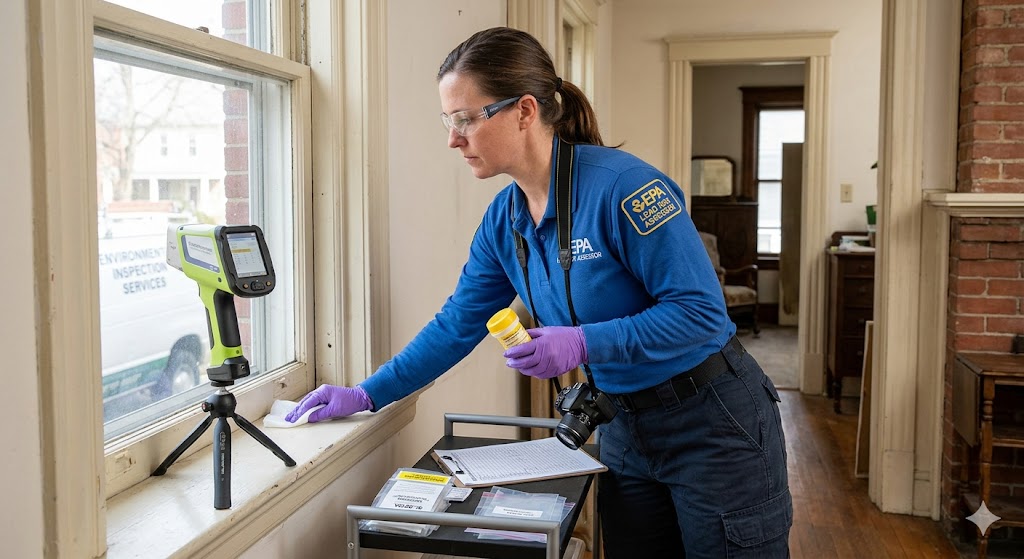
Additional Information
What the Course Entails and Exam Details
Preparing for the EPA Lead Risk Assessor exam requires a thorough understanding of the extensive material covered in the initial training course. This multi-day program equips you with the fundamental knowledge and practical skills necessary for effective risk assessment. Key topics include:
Lead Health Effects: Understanding the toxic effects of lead on the human body, particularly the nervous system and brain development in children.
Lead Regulations and Standards: Master the critical details of EPA regulations (like 40 CFR Part 745), HUD guidelines, and any applicable state or local lead safety laws.
Risk Assessment Process: Step-by-step guidance on planning, conducting, and reporting on lead-based paint inspections and risk assessments.
Sampling Methodologies: Proper techniques for collecting samples of paint chips, soil, dust wipes, and water, following strict laboratory protocols.
Data Interpretation: Analyzing laboratory results and field data to accurately identify lead hazards in a property.
XRF Analyzer Operations: Understanding the science behind X-ray fluorescence (XRF) technology and safe procedures for using these specialized instruments.
Report Writing: Developing detailed and actionable reports that clearly present findings, assess risks, and recommend control options.
While the exam typically consists of multiple-choice questions, the course training itself involves significant practical components. These hands-on exercises include practicing sampling techniques, operating XRF devices, and navigating realistic assessment scenarios. The final comprehensive examination tests your ability to synthesize this classroom and practical knowledge.
What to Expect in the Final Exam
The final step to achieving EPA Lead Risk Assessor certification is successfully completing a comprehensive examination administered at the end of an accredited training course. This closed-book test is designed to strictly evaluate your knowledge and critical thinking skills regarding lead safety and risk assessment protocols. The following details provide a clear picture of what you can anticipate:
Exam Format: The test primarily features multiple-choice questions, designed to assess your understanding of diverse topics covered throughout the training course. Some sections may include diagrams, case scenarios, or calculations.
Passing Score: While specific requirements can vary slightly by training provider and accredited state programs, a score of approximately 70-80% is often necessary to pass. Ensure you confirm the standard before taking the test.
Time Limit: Expect a strict time limit for the exam, usually ranging from 2 to 3 hours, depending on the number and complexity of the questions. Time management is crucial.
Testing Environment: The exam will be monitored by an instructor or certified proctor in a structured environment. Strict rules against referencing materials or collaborating with others will be in place.
Key Emphasis: Be prepared for significant emphasis on regulatory standards (EPA, HUD, OSHA), proper sampling techniques for various media (paint, dust, soil), interpretation of laboratory data, and the application of risk control measures. Case studies and hypothetical risk assessment scenarios are common.
Navigating these expectations with thorough preparation is essential for a successful outcome.
How to Study and Exam Centers
Effective preparation is the foundation for passing the EPA Lead Risk Assessor exam. Our targeted approach combines strategic review of material with active practice to ensure maximum readiness for this critical assessment:
Actionable Study Strategies:
Immerse Yourself in Course Material: Review your training manuals, notes, and handouts provided during the initial Lead Risk Assessor course thoroughly. These documents are the primary source of examination material.
Master EPA and HUD Regulations: Pay close attention to the specific standards and guidelines in EPA 40 CFR Part 745 and the HUD Guidelines for the Evaluation and Control of Lead-Based Paint Hazards. Creating flashcards for key regulatory requirements can be helpful.
Utilize Practice Exams: Incorporating realistic practice tests like ours is invaluable for building confidence and improving recall under timed conditions. These tools mirror the difficulty and structure of the actual exam.
Practice sampling protocols mentally: Walk through the steps for proper paint chip, dust wipe, and soil sampling. Recall the required materials, documentation, and contamination avoidance strategies for each.
Review Sample Reports: Familiarize yourself with the elements of a compliant Lead Risk Assessment report. Practice identifying potential errors or missing information.
Finding Exam Centers and Authorized Training:
The actual exam is typically administered directly by the EPA-accredited or state-authorized training provider upon completion of the initial multi-day course. There isn't typically a separate network of physical testing centers specifically for this final course examination in the same way as some other standardized tests. To ensure you receive a valid certification and access to the qualifying exam, you must enroll in a course offered by an approved provider. You can find authorized training programs through:
The official EPA website's lead training provider database: Search for accredited providers offering Lead Risk Assessor training in your state or region.
Your state or local health and environmental departments: Many states run their own authorized lead safety programs. They maintain lists of approved training organizations and provide details on how to register for courses and exams.
Consulting these primary government sources guarantees you receive legitimate training and a standardized examination required for certification.
Job Opportunities from the Course
Earning the EPA Lead Risk Assessor Certification opens doors to a diverse range of rewarding and essential career paths within the environmental health and safety sector. This qualification is highly sought after by employers who require expertise in identifying and mitigating lead hazards. The skills you master create value across various industries, enhancing your resume and increasing your earning potential. Here is a list of distinct job opportunities unlocked by this certification:
Lead Risk Assessor: Directly evaluating residential and commercial properties for lead hazards, conducting assessments, and recommending remediation strategies.
EPA/State Program Lead Compliance Officer: Working with government agencies to inspect properties, ensure regulatory compliance with lead-safe laws, and enforce enforcement actions.
Environmental Health and Safety (EHS) Manager: Overseeing comprehensive safety programs, including lead safety compliance, for construction firms, property management companies, or educational institutions.
Public Health Inspector/Specialist: Focus on community health by inspecting homes, schools, and daycare centers for environmental toxins, with a primary emphasis on lead safety.
Construction Safety Manager: Managing safety protocols on renovation or abatement projects, ensuring compliance with EPA Renovation, Repair, and Painting (RRP) and lead abatement rules.
Home Inspector with Lead Specialty: Providing specialized lead-based paint assessment services to prospective homebuyers or property investors in older residential buildings.
Lead Abatement Contractor (with other appropriate training): Combining risk assessment knowledge with abatement training to execute safe and effective removal of lead hazards.
Environmental Consultant: Advising clients in various sectors (real estate, insurance, public works) on lead safety best practices, liability, and regulatory navigation.
Frequently Asked Questions
Reviews
5.0
Based on 0 reviews
Leave a Review
No reviews yet. Be the first to review!