
FAA A&P Airframes Oral and Practical Practice Test
$69.00
- Buy to unlock unlimited access to all Quiz questions and Answers in this Quiz.
- After purchase you can print a PDF of the whole quiz at any point. The PDF will contain the questions and the correct answers.
About this Exam
The FAA Airframe Oral and Practical (O&P) test is a critical milestone for aspiring aviation maintenance technicians. This in-person exam validates your ability to safely apply the structural knowledge you've gained in school. It is specifically designed for candidates who have completed the necessary experience or training requirements and have already passed the FAA Airframe Knowledge (written) test. Passing this exam demonstrates to the Federal Aviation Administration (FAA) and potential employers that you have the hands-on skills required to maintain the structural integrity of aircraft and their components.
Ready to test your knowledge?
Buy Now to Access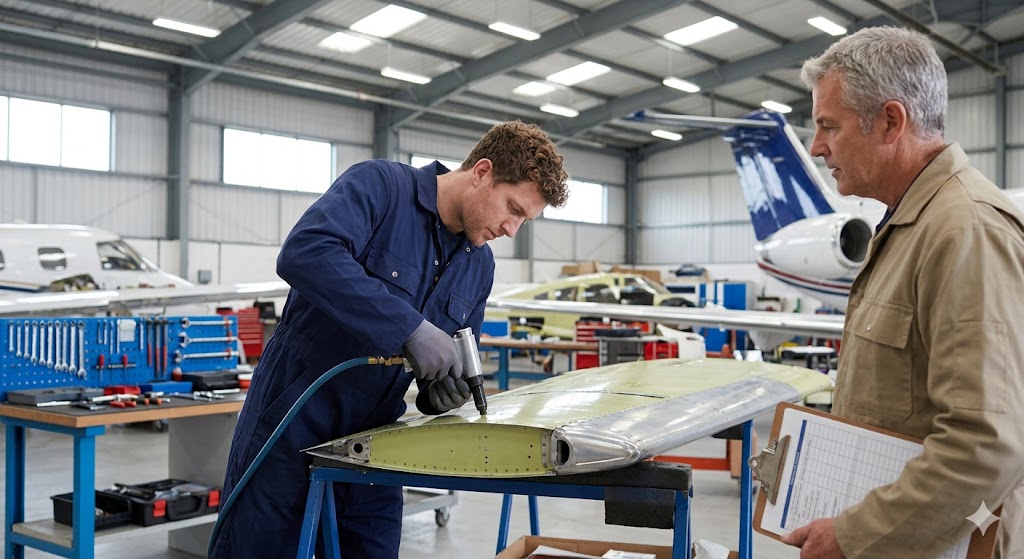
Additional Information
What the Course Entails and Exam Details
The path leading to the Airframe O&P is comprehensive, focusing deeply on the airframe portion of the A&P certification. The course material and subsequent exam cover a vast array of subjects, ranging from non-destructive inspection methods and aircraft finishes to complex hydraulic systems and structural repair. You will delve into sheet metal and composite structures, welding, rigging, landing gear systems, electrical systems, and even position and warning systems. The Oral and Practical exam is not a written test; rather, it is a face-to-face performance assessment conducted by a Designated Mechanic Examiner (DME), which rigorously evaluates your competency through real-world tasks and oral questioning in an aircraft hangar environment.
What to Expect in the Final Exam
When you step into the hangar for your Airframe O&P, be prepared for a focused, multi-hour examination. The final exam does not involve multiple-choice questions on a screen; it is entirely practical and oral. You will be assigned specific projects based on the current FAA Practical Test Standards (PTS). These tasks often involve demonstrating procedures like installing rivets, performing a structural inspection, troubleshooting an airframe system, or documenting maintenance actions. While you are working, the DME will ask oral questions to gauge your theoretical understanding of the 'why' behind the 'how.' To pass, you must demonstrate proficiency, safety, and thorough knowledge in all assigned areas; there are no numerical scores, just pass or fail based on regulatory compliance and safe practices.
How to Study and Exam Centers
Preparation for the Oral and Practical requires hands-on dedication, far beyond just studying from a textbook. The best way to study is to actively practice the projects outlined in the FAA Practical Test Standards (PTS). Review previous project logs, practice fabric repairs, perform sheet metal tasks, and review hydraulic system diagrams repeatedly. Utilize the FAA Handbooks and Advisory Circulars like AC 43.13 as your authoritative reference guides. Practice verbalizing your steps, as the oral portion often catches candidates off guard. The O&P exam is not taken at Pearson VUE or online; it must be completed in person with an FAA-Designated Mechanic Examiner (DME). You will typically find DMEs operating at FAA-certificated Part 147 maintenance schools or associated aviation facilities, and you will need to schedule your appointment directly with them.
Job Opportunities from the Course
Successfully passing the FAA Airframe O&P, especially when combined with the Powerplant rating, unlocks numerous career possibilities within the aerospace industry.
Airframe and Powerplant (A&P) Mechanic
Aviation Maintenance Technician (AMT)
Aircraft Structural Technician
Sheet Metal Mechanic
Composite Repair Specialist
Line Maintenance Technician
Overhaul and Repair Mechanic (MRO)
Field Service Technician
Frequently Asked Questions
Reviews
5.0
Based on 0 reviews
Leave a Review
No reviews yet. Be the first to review!