
Firefighter 1C Wildland Practice Exam
$69.00
- Buy to unlock unlimited access to all Quiz questions and Answers in this Quiz.
- After purchase you can print a PDF of the whole quiz at any point. The PDF will contain the questions and the correct answers.
About this Exam
The Firefighter 1C Wildland certification is designed for aspiring wildland firefighters, providing the essential knowledge and skills needed for initial attack operations, wildfire suppression strategies, and crew participation in outdoor environments. This course, and the corresponding practice exam, target individuals who are new to wildland firefighting or seeking to add a crucial wildland endorsement to their credentials, particularly in jurisdictions like California that utilize the specific 1C designation. Preparing for the Firefighter 1C Wildland certification is a key step towards starting a dynamic and challenging career in outdoor fire services.
Ready to test your knowledge?
Buy Now to Access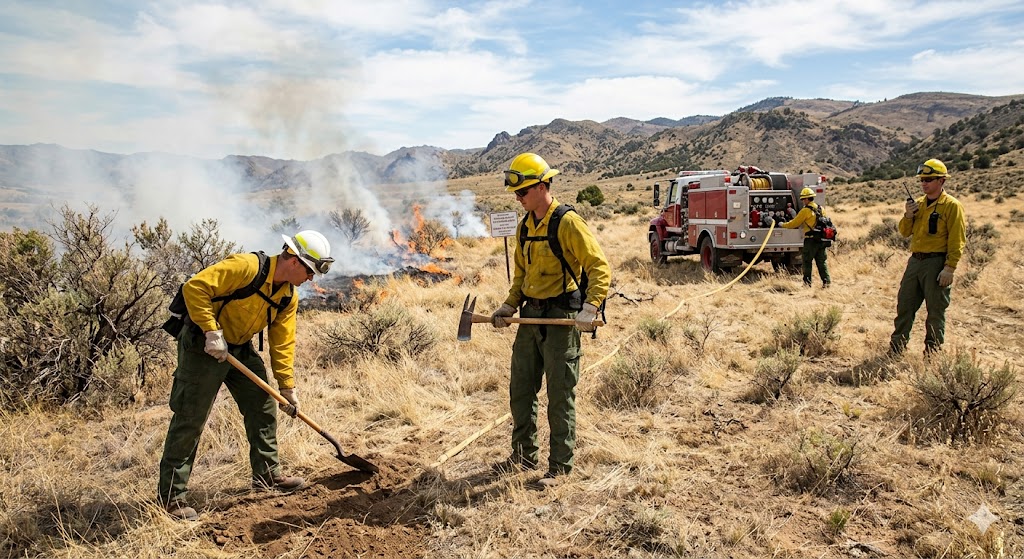
Additional Information
What the Course Entails and Exam Details
This course covers a comprehensive range of topics focused on wildland firefighting best practices. Students can expect to study principles of wildland fire behavior, including weather and topography effects, the Standard Firefighting Orders and Watch Out Situations, LCES (Lookouts, Communications, Escape routes, Safety zones), wildland firefighting safety, use and maintenance of wildland tools, handline construction techniques, water application methods, engine operations in wildland settings, and basic orienteering and mapping. In addition to reviewing these core topics, the exam preparation involves developing critical thinking for interpreting wildfire situations and applying safe firefighting tactics.
What to Expect in the Final Exam
The final examination for Firefighter 1C Wildland certification typically consists of two distinct parts: a comprehensive written exam and, importantly, a practical skill evaluation. The practice test you are considering preparing with is a valuable tool for the written component. The actual written exam usually features multiple-choice questions designed to assess your understanding of wildland firefighting concepts, safety protocols, tools, and regulations. It has a specific time limit and typically requires a high passing score, often around 70-80%. The practical portion of the exam assesses your hands-on proficiency in key skills like constructing a handline, demonstrating safe tool usage, and possibly participating in basic engine drills, reflecting real-world scenario requirements. Successful completion of both the written and practical components is necessary for certification.
How to Study and Exam Centers
Effective study strategies involve more than just reading; active engagement with the material is crucial. Begin by thoroughly reviewing all official course materials and recommended references, including National Wildfire Coordinating Group (NWCG) equivalent publications if applicable in your state. Create flashcards for critical terms, safety rules, and fire behavior indicators. Actively practice constructing firelines if possible, even conceptually. Utilize this practice exam to identify your weak areas, review those specific topics, and become familiar with the test format and pacing. For the practical exam, if your course doesn't provide sufficient repetition, consider forming study groups with fellow students to practice key skill stations.
Where and how you take the actual examination can vary significantly depending on your specific state fire agency or training institution. The certification process often occurs through authorized testing centers, accredited local community colleges offering fire technology programs, dedicated state fire training academies, or potentially within your local fire department if they are authorized to administer the exam. It's imperative that you consult directly with the agency overseeing wildland certifications in your region to obtain accurate and current information regarding upcoming testing dates, approved testing locations, registration procedures, and any specific requirements for both the written and practical components. They will provide the most reliable guidance on where to go for your exam.
Job Opportunities from the Course
Earning your Firefighter 1C Wildland certification significantly expands your career opportunities in fire services. This credential is a direct pathway to becoming:
Wildland Firefighter (often starting as FFT2 equivalent): Work for federal agencies like the US Forest Service (USFS) or Bureau of Land Management (BLM), or for state forestry departments (such as CAL FIRE). These positions are often seasonal to start.
Engine Crew Member: Contribute to wildland engine operations on initial attack and suppression efforts.
Hand Crew Member: Participate in ground-level fireline construction and maintenance as part of a dedicated crew.
Private Contractor Firefighter: Join private companies that provide contract firefighting services to government agencies or private landholders.
Municipal or County Firefighter (with wildland endorsement): Many local fire departments in wildland-urban interface (WUI) areas value or require wildland certifications for their structural firefighters who also respond to wildfires.
Fuels Management Technician: Apply your knowledge of wildland fire behavior towards conducting controlled burns or vegetation management projects to reduce wildfire risk.
Frequently Asked Questions
Reviews
5.0
Based on 0 reviews
Leave a Review
No reviews yet. Be the first to review!