
Licensed Educational Psychologist (LEP) Practice Exam
$69.00
- Buy to unlock unlimited access to all Quiz questions and Answers in this Quiz.
- After purchase you can print a PDF of the whole quiz at any point. The PDF will contain the questions and the correct answers.
About this Exam
The Licensed Educational Psychologist (LEP) exam is a
crucial stepping stone for school psychologists and educational professionals
looking to advance their careers and practice independently.
This certification is specifically designed for
individuals who want to offer private educational psychology services, diagnose
learning disabilities, and provide academic counseling outside the traditional
public school setting.
Earning this credential demonstrates a high level of
expertise in educational assessment, intervention, and consultation, empowering
you to make a profound, personalized impact on students' lives.
Ready to test your knowledge?
Buy Now to Access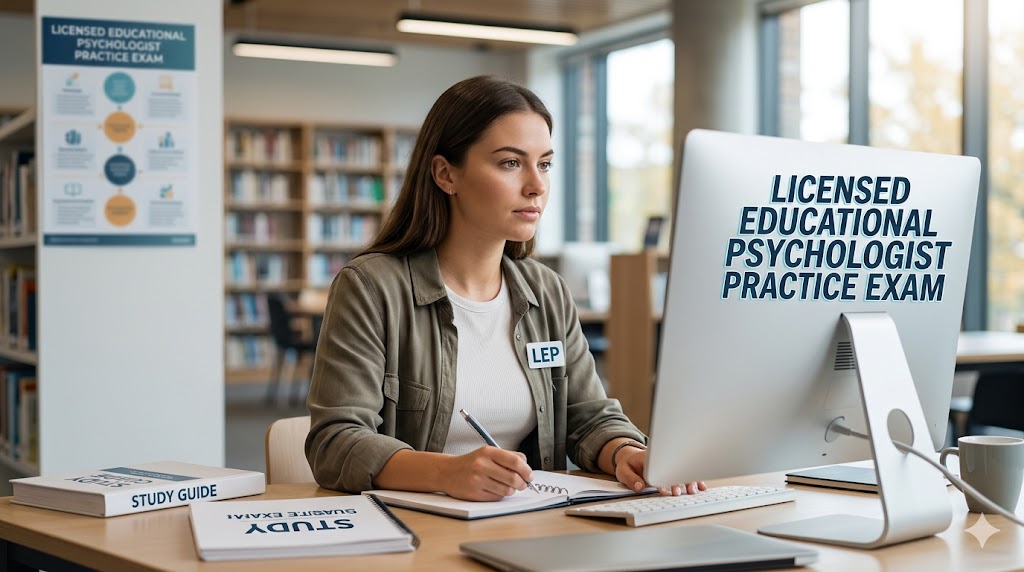
Additional Information
What the Course Entails and Exam Details
Preparing for the LEP certification requires a deep understanding of several core domains related to human development and educational psychology.
The curriculum typically covers comprehensive psychoeducational assessment, diagnosing learning and behavioral disorders, and designing effective, evidence-based intervention strategies.
Candidates will also delve into the strict ethical and legal standards governing private practice, special education law, and patient confidentiality.
Furthermore, the coursework emphasizes advanced counseling techniques, crisis intervention, and collaborative consultation with parents and school personnel to ensure robust student success.
What to Expect in the Final Exam
The final LEP exam is a rigorous, standardized test designed to carefully assess your practical knowledge and clinical judgment in educational settings.
You can expect a multiple-choice format, generally consisting of over 100 questions that cover both real-world situational scenarios and theoretical applications.
Candidates are usually given a strict time limit of about two to three hours to complete the test, requiring excellent time management skills.
The passing score varies slightly by jurisdiction, but it typically hovers around a scaled score of 70 to 75 percent.
Test-takers must adhere to strict testing center rules, which strictly prohibit the use of unapproved electronic devices, bags, or study materials, and require presenting valid, government-issued identification upon entry.
How to Study and Exam Centers
Success on this exam hinges on a well-structured, consistent, and proactive study plan.
Start by taking a high-quality practice exam to identify your weak areas and familiarize yourself with the nuances of the question formats.
Break down your study sessions into manageable chunks, utilizing flashcards for key clinical terms, participating in peer study groups, and extensively reviewing case studies to sharpen your clinical reasoning.
When it comes to taking the actual test, the exam is typically administered throughajor professional testing organizations such as Pearson VUE or Prometric.
You will need to register online through your state's specific credentialing board and schedule your test at an authorized, secure physical testing center, or, in certain jurisdictions, via a closely proctored online testing portal.
Job Opportunities from the Course
Achieving your LEP certification unlocks a diverse array of rewarding and highly respected career paths in both private and institutional sectors.
As a Licensed Educational Psychologist, your primary opportunity is opening your own private practice to offer independent psychoeducational evaluations, diagnoses, and counseling directly to families.
You might also work as an Educational Consultant, advising school districts and administrators on special education program development, compliance, and behavioral interventions.
Other potential roles include serving as a Clinical Director in a specialized educational agency, where you oversee psychological staff and programming.
Additionally, you could work as an Academic Advisor or Disability Services Coordinator at the university level, or become a Specialized Interventionist focusing on children with severe or complex learning disabilities.
Frequently Asked Questions
Reviews
5.0
Based on 0 reviews
Leave a Review
No reviews yet. Be the first to review!