
New Jersey Lead Inspector Risk Assessor Practice Exam
$69.00
- Buy to unlock unlimited access to all Quiz questions and Answers in this Quiz.
- After purchase you can print a PDF of the whole quiz at any point. The PDF will contain the questions and the correct answers.
About this Exam
The New Jersey Lead Inspector/Risk Assessor certification is a vital credential for environmental professionals dedicated to identifying and managing lead-based paint hazards in housing and child-occupied facilities throughout the state. This certification exam is designed for individuals seeking to work in the environmental consulting, home inspection, or public health sectors within New Jersey. Successfully passing this exam demonstrates that you possess the necessary knowledge of state regulations, inspection protocols, and risk assessment methodologies required to accurately identify lead hazards and provide essential guidance to property owners to ensure safety and compliance.
Ready to test your knowledge?
Buy Now to Access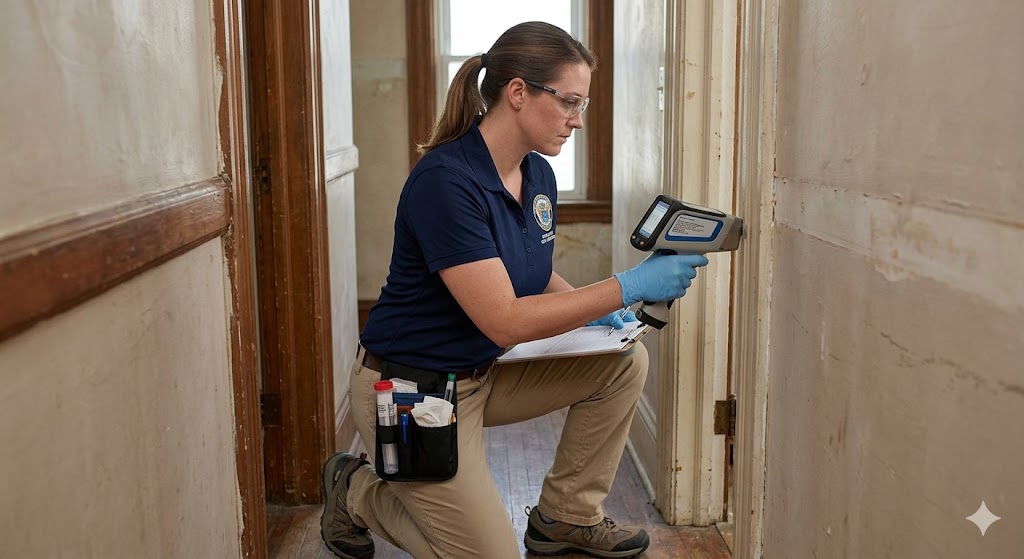
Additional Information
What the Course Entails and Exam Details
This certification process typically involves completing a rigorous, state-approved training course before sitting for the final exam. The initial training and subsequent examination cover a comprehensive range of topics critical to the field. Participants will delve into the history and serious health effects of lead exposure, federal regulations mandated by EPA and HUD, and the specific New Jersey state regulations governing lead-safe work practices. The course content and exam questions focus heavily on professional methodologies, including the practical use of X-ray Fluorescence (XRF) analyzers, correct dust wipe and soil sampling protocols, and thorough visual assessment techniques. Students must also master the process of conducting risk assessments, which includes identifying lead hazards, evaluating their severity, and developing effective hazard control and management plans.
What to Expect in the Final Exam
The final New Jersey Lead Inspector/Risk Assessor examination is designed to rigorously test your understanding of the core concepts covered in your training. The exam typically consists of multiple-choice questions developed to evaluate both your knowledge of lead regulations and your ability to apply inspection and risk assessment protocols in real-world scenarios. While specific details might vary slightly, candidates should generally expect a timed exam, often allowing between two and three hours for completion. A passing score, usually around 70%, is required to demonstrate proficiency. The exam focuses heavily on testing your practical application of regulatory requirements, sampling methodologies, and the accurate interpretation of inspection results.
How to Study and Exam Centers
Preparation is crucial for success on this exam. Your primary study resource should be the materials and manuals provided during your mandatory New Jersey-approved Lead Inspector/Risk Assessor training course. Pay close attention to understanding federal EPA/HUD guidelines alongside the specific regulations enforced within New Jersey. Utilizing practice exams is highly recommended; these exams will help you become familiar with the multiple-choice format, identify specific areas where your knowledge might be weak, and improve your pacing under time constraints. Focus on mastering the technical procedures, particularly the specific steps required for XRF testing, dust sampling, and report writing. The actual certification exam is typically administered either through your approved training provider or at designated state testing locations. Candidates must register for the exam following the completion of their required coursework; detailed information on exam dates, locations, and registration processes is usually managed through the New Jersey Department of Health or the training provider.
Job Opportunities from the Course
Earning the New Jersey Lead Inspector/Risk Assessor certification opens doors to several crucial career paths dedicated to public safety and environmental health.
Upon successfully completing the course and passing the state exam, you will be qualified to pursue the following professional roles within New Jersey:
Licensed Lead Inspector/Risk Assessor: Conduct official lead inspections and hazard assessments for residential, commercial, and public properties throughout the state.
Environmental Consultant: Provide expert guidance to clients on lead-based paint compliance, hazard reduction strategies, and regulatory requirements.
Home Inspector with Lead Specialty: Expand your home inspection business by offering specialized lead detection services, which are critical for older properties.
Lead Hazard Control Program Manager: Oversee lead remediation projects and public health programs aimed at reducing lead exposure in communities.
Municipal or State Code Enforcement Officer: Ensure compliance with local and state lead-safety housing codes and regulations.
Industrial Hygienist: Assess and manage lead exposure risks in occupational settings.
Frequently Asked Questions
Reviews
5.0
Based on 0 reviews
Leave a Review
No reviews yet. Be the first to review!