
NFPA 1031 Fire Inspector 1 Practice Test
$69.00
- Buy to unlock unlimited access to all Quiz questions and Answers in this Quiz.
- After purchase you can print a PDF of the whole quiz at any point. The PDF will contain the questions and the correct answers.
About this Exam
The NFPA 1031 Fire Inspector 1 certification is a foundational milestone for professionals dedicated to fire prevention and public safety.
This program sets the standard for the knowledge, skills, and duties required for entry-level fire inspectors.
Achieving this certification demonstrates a commitment to applying fire codes and protecting communities from preventable hazards.
Preparing for the exam requires dedication, which is where a robust practice test proves invaluable for success.
Ready to test your knowledge?
Buy Now to Access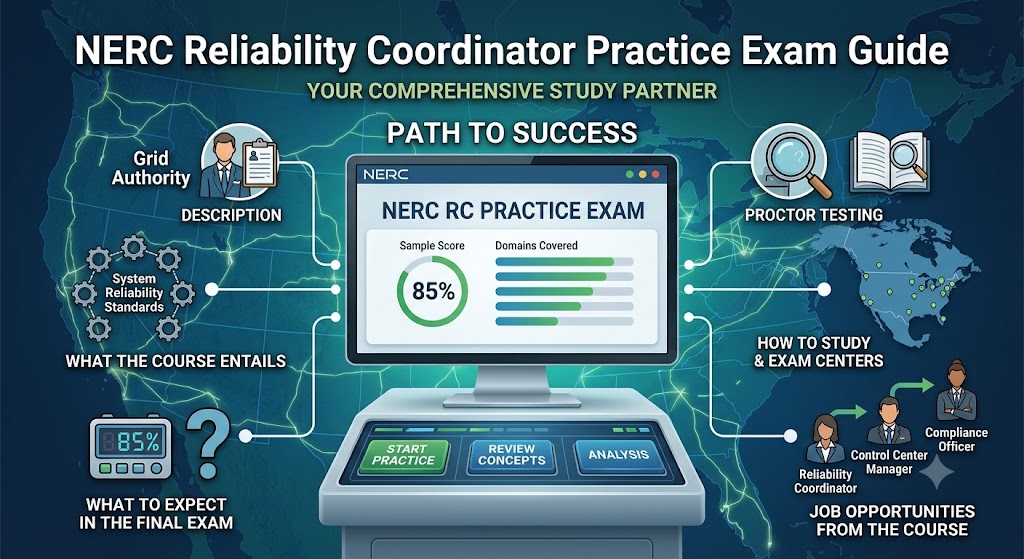
Additional Information
What the Course Entails and Exam Details
Comprehensive study for the NFPA 1031 Fire Inspector 1
involves mastering several core domains defined by the standard.
Learners will dive deep into fire prevention concepts, code
enforcement strategies, and the application of life safety codes.
Key topics covered in preparation materials include
recognizing hazards related to storage and use of hazardous materials,
understanding water supply systems, and evaluating building construction types.
The course material also focuses on inspecting fire
protection systems, including sprinklers and alarms, and ensuring proper exits
are maintained in public buildings.
A strong emphasis is placed on professional documentation
and effective communication of inspection findings.
What to Expect in the Final Exam
The actual NFPA 1031 Fire Inspector 1 examination is
typically an objective, standardized test.
Most certifying authorities, such as IFSAC or Pro Board
entities, utilize a multiple-choice format to assess knowledge.
You can generally expect between 75 and 100 questions that
strictly adhere to the Job Performance Requirements (JPRs) outlined in the NFPA
standard.
The exam often provides a strict time limit, typically
ranging from 90 to 120 minutes.
A passing score, usually around 70 percent, is required to
demonstrate the necessary competency to receive the certification.
Specific rules often prohibit reference materials, making
thorough preparation of core principles essential.
How to Study and
Exam Centers
Successfully preparing for this rigorous exam requires a
focused approach that combines study with practical application.
Begin by thoroughly reviewing the primary source materials,
particularly the NFPA standards and life safety codes that form the basis of
the certification.
Actively taking multiple NFPA 1031 Fire Inspector 1 Practice
Tests is crucial for familiarizing yourself with the question style and
identifying areas for improvement.
After completing a practice exam, analyze every incorrect
answer to understand the underlying code requirement, not just the correct
response.
Consider forming study groups, utilizing visual aids like
flashcards for code section references, and explaining complex concepts to
others.
To schedule the actual exam, you will not register with the
NFPA directly.
Instead, contact your state or provincial fire marshal's
office, fire training academy, or a local IFSAC or Pro Board accredited agency.
These organizations authorize specific physical testing
locations or provide details on secure online proctoring options.
Job Opportunities
from the Course
Earning your NFPA 1031 Fire Inspector 1 certification
unlocks numerous professional pathways within fire services and related fields.
This qualification is essential for roles such as Fire
Inspector for a municipality or department, focusing on code compliance.
You may also pursue a career as a Fire Safety Inspector,
identifying potential hazards in public and private buildings.
The certification can lead to positions like Deputy Fire
Marshal, providing leadership in fire prevention initiatives.
Graduates are well-suited to work as Fire Prevention
Officers, dedicated to public education and community outreach programs.
Other opportunities include serving as a Life Safety
Inspector, specializing in the inspection of complex facilities.
It also opens doors to related fields, such as being a Code
Enforcement Officer with a focus on fire safety codes.
Insurance companies and private firms often hire loss
control specialists with this background to manage fire risk.
Achieving this level provides a solid foundation for
advancing to Fire Inspector 2, plan review, and other leadership roles within a
fire department's prevention bureau
Frequently Asked Questions
Reviews
5.0
Based on 0 reviews
Leave a Review
No reviews yet. Be the first to review!