
Orthopedic Nurse Certification Practice Exam
$69.00
- Buy to unlock unlimited access to all Quiz questions and Answers in this Quiz.
- After purchase you can print a PDF of the whole quiz at any point. The PDF will contain the questions and the correct answers.
About this Exam
The Orthopedic Nurse Certified (ONC®) credential is a prestigious certification for registered nurses specializing in the care of patients with musculoskeletal conditions. This certification validates advanced knowledge, skills, and experience in orthopedic nursing, covering the entire lifespan of care from pediatric to geriatric populations. The ONC® practice exam is a critical study tool designed specifically for RNs preparing to take the rigorous official certification examination administered by the Orthopaedic Nurses Certification Board (ONCB®). This practice test helps candidates assess their readiness, identify knowledge gaps, and become familiar with the format and complexity of the actual exam questions.
Ready to test your knowledge?
Buy Now to Access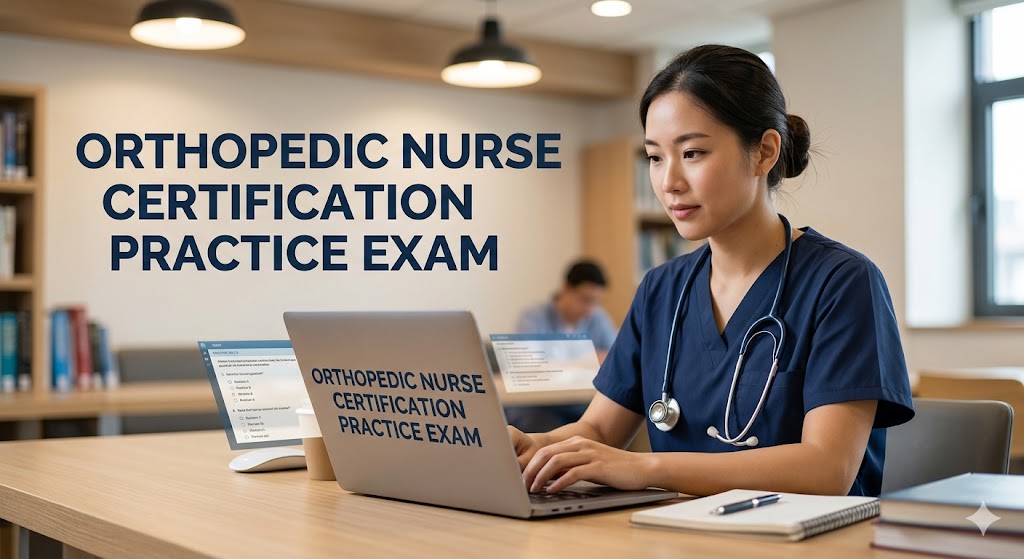
Additional Information
What the Course Entails and Exam Details
While not a formal "course," preparing for the Orthopedic Nurse Certification Practice Exam mirrors the requirements of the official exam, which focuses on various critical areas of musculoskeletal health. The practice exam questions are typically categorized into key content domains as outlined by the ONCB®. These domains include detailed assessment and management of degenerative diseases (like osteoarthritis), orthopedic trauma (fractures and dislocations), sports injuries, and inflammatory diseases (such as rheumatoid arthritis). Additionally, candidates must demonstrate competency in caring for patients undergoing orthopedic surgery, managing metabolic bone disorders (like osteoporosis), and understanding pediatric and congenital musculoskeletal conditions.
What to Expect in the Final Exam
The formal ONC® examination is a comprehensive, computer-based test consisting of 150 multiple-choice questions, with 135 questions being scored and 15 pretest questions. Candidates are typically given three hours to complete the examination. The exam is administered at secure testing facilities and adheres to strict standards. A passing score is determined based on the statistical analysis of question difficulty. Using a practice exam beforehand simulates this time pressure and question format, allowing candidates to develop effective test-taking strategies and improve their pacing.
How to Study and Exam Centers
Preparation for the ONC® certification requires a structured and dedicated approach. Utilizing a comprehensive practice exam is one of the most effective ways to study, as it helps target specific areas needing improvement. Successful candidates often combine practice questions with in-depth study of core textbooks like the "Core Curriculum for Orthopaedic Nursing." Creating flashcards for key terms, reviewing pathophysiology, and participating in peer study groups are also highly effective strategies. When ready for the official examination, candidates schedule their test through the designated vendor, Meazure Learning (formerly Scantron), which offers a network of secure, computer-based testing centers across the United States and Canada.
Job Opportunities from the Course
Earning the Orthopedic Nurse Certified (ONC®) designation significantly enhances a nurse's professional standing and opens doors to numerous career opportunities and potential salary advancements. The credential signifies commitment to the specialty and is highly valued by healthcare employers seeking expert staff for orthopedic units. Certification can unlock career paths including:
Orthopedic Unit Staff Nurse / Charge Nurse: Direct patient care positions requiring advanced musculoskeletal knowledge.
Orthopedic Nurse Navigator: Coordinating care and providing education for surgical patients throughout their journey.
Clinical Nurse Specialist (CNS): Providing advanced clinical expertise and education within orthopedic settings.
Orthopedic Nurse Educator: Developing and delivering training programs for staff in hospitals or universities.
Orthopedic Research Nurse: Participating in clinical trials and studies related to musculoskeletal care.
Positions in specialized settings: Working in sports medicine clinics, home healthcare agencies focusing on post-surgical recovery, or outpatient orthopedic surgical centers.
Frequently Asked Questions
Reviews
5.0
Based on 0 reviews
Leave a Review
No reviews yet. Be the first to review!