
Pan Canadian Practice Exam
$69.00
- Buy to unlock unlimited access to all Quiz questions and Answers in this Quiz.
- After purchase you can print a PDF of the whole quiz at any point. The PDF will contain the questions and the correct answers.
About this Exam
The Pan-Canadian Examination is the definitive credentialing milestone for aspiring Acupuncturists and Traditional Chinese Medicine (TCM) practitioners across Canada.
It is expertly designed to ensure that all entry-level practitioners meet the rigorous safety, competency, and ethical standards required to treat the public safely.
This certification is specifically meant for graduates of approved TCM and acupuncture programs who are ready to transition from their academic studies into licensed, professional healthcare practice.
Successfully passing this exam demonstrates a profound understanding of holistic health, patient care, and professional accountability.
Ready to test your knowledge?
Buy Now to Access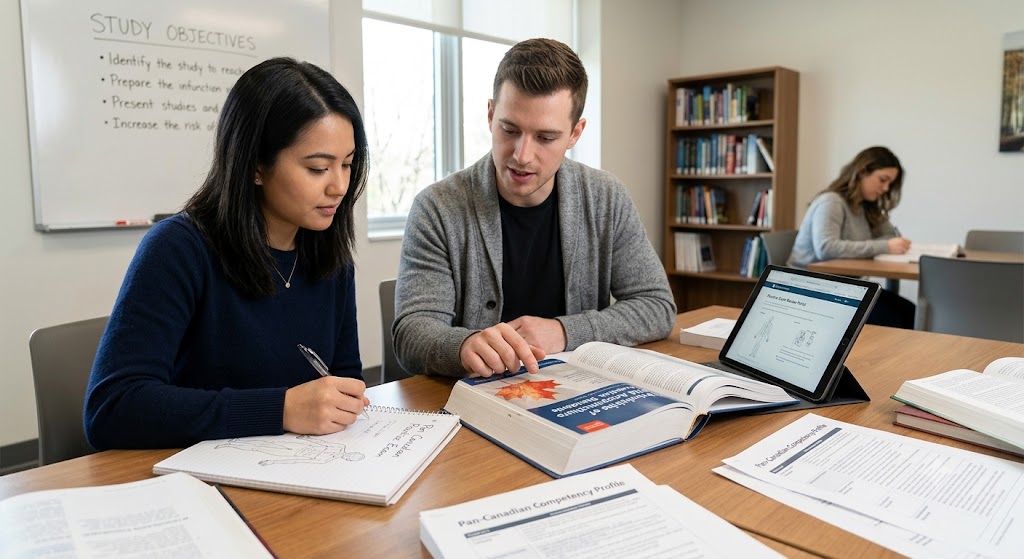
Additional Information
What the Course Entails and Exam Details
Preparing for the Pan-Canadian Examination requires mastery of a comprehensive syllabus that blends traditional eastern practices with essential western medical knowledge.
Candidates are deeply tested on the foundational theories of TCM, including Yin-Yang, the Five Elements, and Zang-Fu organ patterns.
The curriculum also extensively covers acupuncture point locations, precise needle techniques, moxibustion, cupping, and the safe handling of biohazardous materials.
Beyond traditional methods, the exam entails a strong biomedical component that includes human anatomy, physiology, and pharmacology to ensure safe integration with standard medical care.
Furthermore, you will be heavily evaluated on professional jurisprudence, emphasizing patient consent, clinic management, and strict ethical boundaries.
What to Expect in the Final Exam
The final assessment is a high-stakes, rigorous test that demands both theoretical recall and practical clinical reasoning.
The exam is typically delivered in a multiple-choice format, often consisting of standalone questions as well as extensive clinical case studies.
These case studies require you to analyze patient symptoms, determine accurate TCM diagnoses, and select the safest, most effective treatment protocols.
Candidates are generally given strict time limits, usually spanning several hours across different testing blocks, making time management a crucial skill.
To achieve a passing score, you must meet the criterion-referenced standard set by the regulatory board, which ensures you possess the exact competency level expected of a safe, entry-level practitioner.
Be prepared for strict examination rules, including mandatory identification checks, a prohibition on electronic devices, and highly monitored testing environments.
How to Study and Exam Centers
Effective preparation requires a structured, multi-faceted approach rather than last-minute cramming.
Start by forming dedicated study groups to discuss complex clinical case studies and test your diagnostic reasoning aloud.
Utilizing high-quality mock exams is one of the most actionable strategies, as it helps you build testing stamina and familiarize yourself with the specific wording of the questions.
Create flashcards for rote memorization of acupuncture points, biomedical red flags, and herbal contraindications, reviewing them daily through spaced repetition.
When it comes time to take the test, the Pan-Canadian Examination is administered in participating provinces through authorized regulatory colleges.
Depending on the jurisdiction and current guidelines, exams are typically hosted at designated, secure physical testing centers, such as university campuses or professional proctoring facilities, with some regions offering highly supervised online proctoring options.
Job Opportunities from the Course
Earning this esteemed certification unlocks a wealth of rewarding, flexible, and lucrative career paths within the rapidly expanding alternative healthcare sector.
Below is a clear outline of the specific job titles and professional avenues available to successful candidates:
Registered Acupuncturist (R.Ac): Work in multidisciplinary clinics alongside chiropractors, physiotherapists, and massage therapists to manage patient pain and wellness.
Registered TCM Practitioner (R.TCMP): Provide comprehensive care by combining acupuncture therapies with customized herbal medicine prescriptions.
Private Clinic Owner: Build your own entrepreneurial practice, setting your own hours and creating a specialized brand in holistic health and wellness.
Fertility and Women's Health Specialist: Partner with reproductive clinics or operate a niche practice focusing on pregnancy support and hormonal balance.
Sports Medicine Acupuncturist: Collaborate with athletic organizations, sports teams, or rehab centers to speed up injury recovery and enhance athlete performance.
TCM Educator or Clinical Supervisor: Return to academia to teach foundational courses, mentor students, and supervise hands-on training at recognized acupuncture colleges.
Frequently Asked Questions
Reviews
5.0
Based on 0 reviews
Leave a Review
No reviews yet. Be the first to review!