
Pennsylvania Surplus Lines Practice Exam
$69.00
- Buy to unlock unlimited access to all Quiz questions and Answers in this Quiz.
- After purchase you can print a PDF of the whole quiz at any point. The PDF will contain the questions and the correct answers.
About this Exam
The Pennsylvania Surplus Lines licensing exam is a critical step for insurance professionals looking to specialize in the placement of non-admitted insurance policies. This designation is essential for individuals dealing with unique, complex, or high-capacity risks that standard insurance carriers are unwilling or unable to cover.
This exam is designed for currently licensed insurance producers in Pennsylvania who wish to obtain the additional authority to act as a Surplus Lines licensee. Successfully passing this exam demonstrates a thorough understanding of the state-specific regulations, tax requirements, and the distinct procedures governing the surplus lines market in Pennsylvania.
Ready to test your knowledge?
Buy Now to Access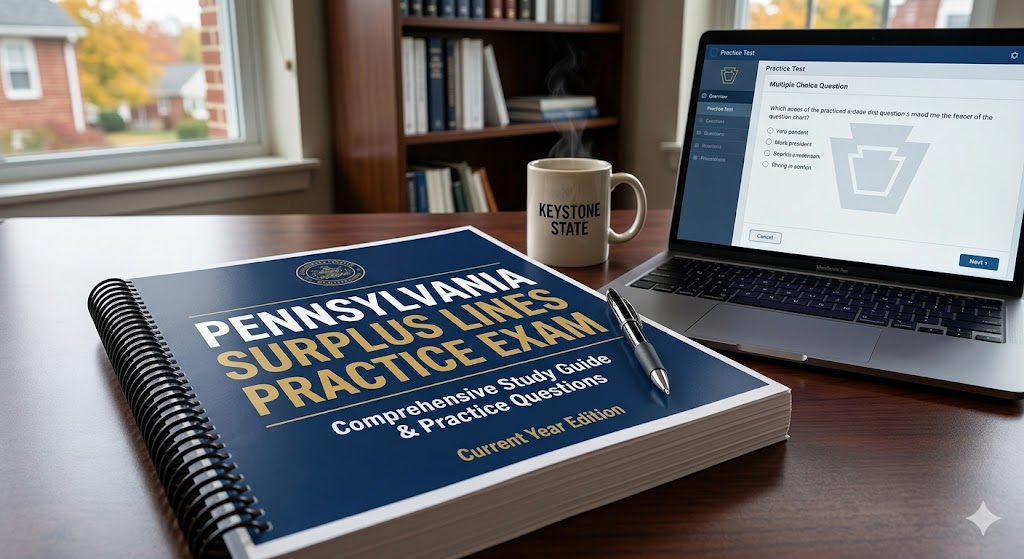
Additional Information
What the Course Entails and Exam Details
A comprehensive preparation course for the Pennsylvania Surplus Lines exam will cover the essential knowledge areas mandated by the Pennsylvania Insurance Department. The core curriculum typically includes:
Pennsylvania Surplus Lines Law and Regulations: An in-depth review of the specific statutes governing the transaction of surplus lines insurance within the state.
The Role of the Surplus Lines Licensee: Understanding the duties, responsibilities, and ethical considerations of placing non-admitted business.
Licensing Requirements and Maintenance: The process for obtaining, renewing, and maintaining a surplus lines license, including continuing education requirements.
Eligible Surplus Lines Insurers: The criteria insurers must meet to become eligible to write surplus lines coverage in Pennsylvania.
The "Diligent Search" Requirement: The mandatory process of first attempting to place coverage with admitted carriers before accessing the surplus lines market.
Surplus Lines Tax and Reporting: Detailed instruction on calculating, collecting, and remitting the Pennsylvania surplus lines tax, as well as necessary filing procedures.
The Pennsylvania Surplus Lines Association (PSLA): Understanding the role of the PSLA in monitoring filings and assisting with compliance.
Policy Provisions and Disclosures: The required language and disclosures that must be included in surplus lines policies.
What to Expect in the Final Exam
The Pennsylvania Surplus Lines licensing exam is administered by a third-party testing vendor (typically Prometric). The exam focuses heavily on state-specific content. Here is a breakdown of what candidates can expect:
Format: The exam consists entirely of multiple-choice questions.
Time Limit: Candidates are generally given approximately 2 hours to complete the examination.
Passing Score: The required passing score is typically 70%.
Scoring: Candidates usually receive their results (pass/fail) immediately upon completing the computer-based exam at the testing center.
Focus Areas: While technical knowledge is essential, a significant portion of the exam is dedicated to Pennsylvania’s specific administrative codes, regulations, and tax compliance procedures.
How to Study and Exam Centers
Preparation is key to succeeding on the Pennsylvania Surplus Lines exam. Candidates should utilize structured study materials specifically tailored to the PA state exam content outline.
Actionable Study Strategies:
Utilize State-Specific Study Guides: Rely on comprehensive manuals approved for Pennsylvania surplus lines pre-licensing education.
Take Practice Exams: Regularly taking practice exams is one of the most effective ways to identify knowledge gaps and familiarize yourself with the phrasing and format of the actual test questions.
Focus on Regulations and Tax: Pay close attention to the specific timeframes for filings, the exact definition of a "diligent search," and the details of tax calculation and remittance.
Understand the PSLA’s Role: Familiarize yourself with the procedures required by the Pennsylvania Surplus Lines Association.
Frequently Asked Questions
Reviews
5.0
Based on 0 reviews
Leave a Review
No reviews yet. Be the first to review!