
Plane Captain Practice Exam
$69.00
- Buy to unlock unlimited access to all Quiz questions and Answers in this Quiz.
- After purchase you can print a PDF of the whole quiz at any point. The PDF will contain the questions and the correct answers.
About this Exam
The Plane Captain (PC) certification is a crucial milestone for aviation personnel, particularly within military and defense contracting environments. This designation is not just a job title; it signifies that an individual possesses the knowledge, responsibility, and authority to ground-handle and service aircraft safely. A Plane Captain is often the final set of eyes on an aircraft before flight and the first to greet it upon landing. This practice exam is designed for aviation maintenance technicians and support personnel aiming to earn this critical qualification, testing their readiness to manage complex flight line operations and maintain strict safety standards.
Ready to test your knowledge?
Buy Now to Access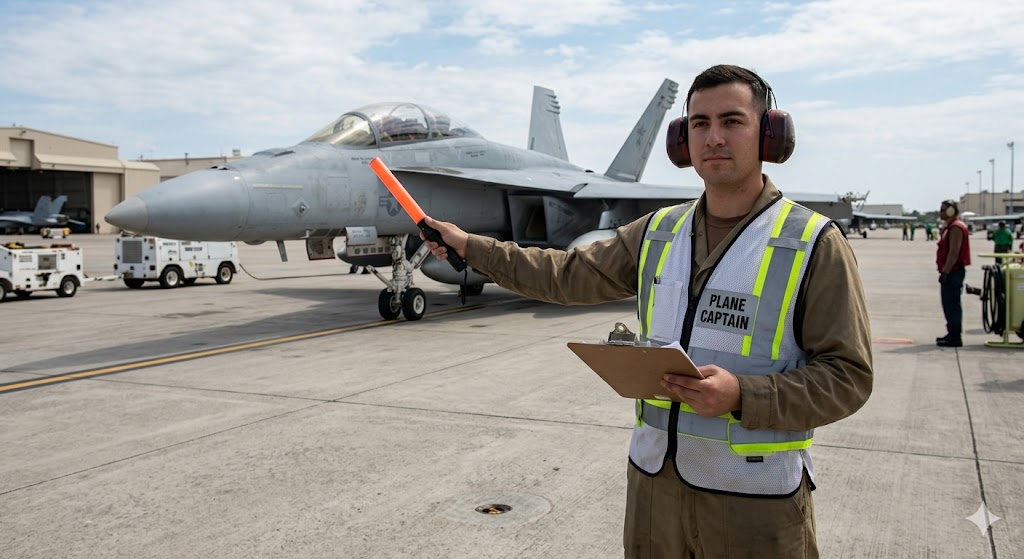
Additional Information
What the Course Entails and Exam Details
The comprehensive knowledge required for a Plane Captain qualification covers a broad spectrum of aviation maintenance and flight line operations. Candidates must demonstrate proficiency in several core areas. The syllabus focuses heavily on safety regulations, tool control programs, and foreign object damage (FOD) prevention. Furthermore, candidates must understand aircraft-specific servicing procedures, including fueling, defueling, and oil replenishment. A significant portion of the training involves mastership of ground handling procedures, such as proper marshaling signals, towing operations, and securing aircraft in varying weather conditions. Emergency procedures, fire fighting protocols, and hazardous material handling are also critical components.
What to Expect in the Final Exam
The final examination for Plane Captain qualification usually consists of two main parts: a written knowledge test and a practical application evaluation. The written portion typically features multiple-choice questions focusing on safety protocols, aircraft systems, and operating procedures, with a required passing score often set at 80% or higher. Following the written test, candidates undergo a rigorous practical evaluation where they must demonstrate hands-on competence in tasks like pre-flight inspections, refueling operations, and marshaling procedures under the supervision of a qualified examiner. Time limits vary depending on the specific command or organization administering the test, but candidates are expected to perform tasks efficiently and safely.
How to Study and Exam Centers
Preparation for the Plane Captain qualification demands a combination of diligent study and practical, on-the-job training. Candidates should thoroughly review the Naval Air Systems Command (NAVAIR) manuals, specific aircraft NATOPS manuals, and command-specific standard operating procedures (SOPs). Utilizing practice exams, such as this one, is highly recommended to identify knowledge gaps and familiarize oneself with the phrasing of exam questions. Flashcards for aircraft signals and emergency procedures are also very effective. Crucially, candidates should seek mentorship from experienced Plane Captains and actively participate in flight line operations to gain practical experience. The exam itself is typically administered internally within the candidate's assigned squadron or maintenance department, rather than at external testing centers.
Job Opportunities from the Course
Earning the Plane Captain qualification opens up immediate career advancement opportunities and is often a prerequisite for further specialized roles within military and aerospace maintenance organizations. Some of the career paths and job titles this certification unlocks include:
Lead Plane Captain
Aviation Maintenance Technician (AMT) / Mechanic
Flight Line Supervisor
Quality Assurance Representative (QAR)
Maintenance Controller
Aerospace Ground Equipment (AGE) Technician
Civilian Defense Contractor (working on military aircraft contracts)
Corporate Aviation Ground Support Personnel
Frequently Asked Questions
Reviews
5.0
Based on 0 reviews
Leave a Review
No reviews yet. Be the first to review!