
PSI Life Exam Practice Test
$69.00
- Buy to unlock unlimited access to all Quiz questions and Answers in this Quiz.
- After purchase you can print a PDF of the whole quiz at any point. The PDF will contain the questions and the correct answers.
About this Exam
The PSI Life Insurance Exam is a high-stakes licensing test designed for individuals who wish to legally sell, solicit, or negotiate life insurance products. This comprehensive examination is a mandatory step for anyone aspiring to become a licensed life insurance agent or producer. It validates that you possess the fundamental knowledge of life insurance concepts, policy types, and crucial regulations necessary to serve clients ethically and effectively. Whether you are aiming for a position as a "captive agent" representing a single insurance company or an "independent agent" broker working with multiple carriers, passing this exam is your official gateway into the industry. The exam ensures that all licensed professionals meet a consistent standard of competence, which protects consumers and maintains the integrity of the financial services sector.
Ready to test your knowledge?
Buy Now to Access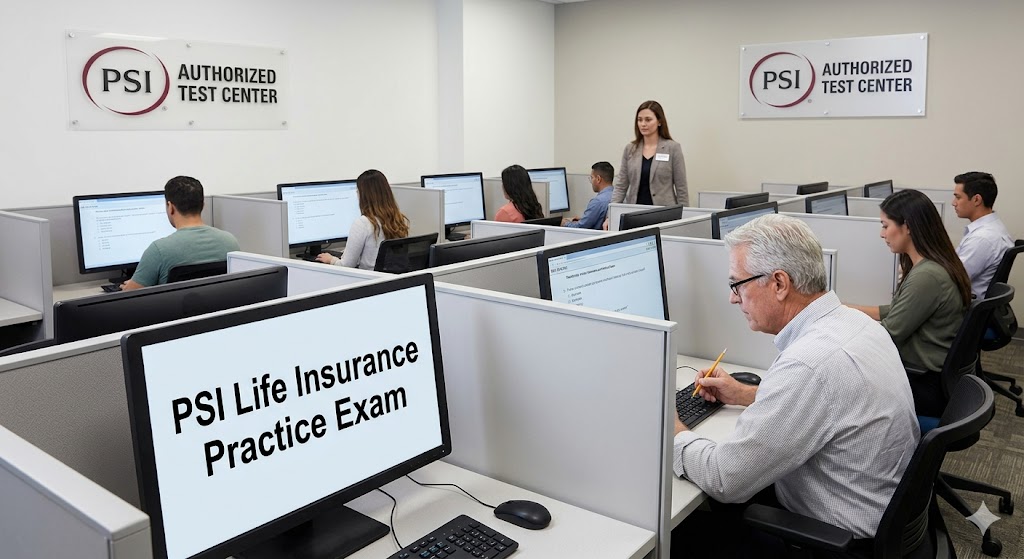
Additional Information
What the Course Entails and Exam Details
This examination is not just about memorizing facts; it's about demonstrating a functional understanding of life insurance principles. The content covers a wide range of topics that are critical to daily practice. You can expect to be tested on general insurance concepts, such as insurable interest, risk management, and the different types of insurers. A significant portion of the exam focuses on specific life insurance policy types, including term life, whole life, universal life, and variable life, along with their unique features, riders, and provisions. You must understand policy provisions like beneficiaries, non-forfeiture options, and settlement options. Furthermore, a major section is dedicated to "Life Insurance Tax Issues" and "Retirement and Other Insurance Needs," ensuring you understand the broader financial implications of the products you sell. Finally, the "Marketing and Sales" and "Regulation" sections are pivotal, testing your knowledge of ethical sales practices, advertising rules, and state and federal laws like the Fair Credit Reporting Act.
What to Expect in the Final Exam
While the exact structure can vary slightly by state, the final exam administered by PSI follows a consistent, computerized multiple-choice format. It is generally divided into two distinct parts: a national component that covers universal life insurance principles, and a state-specific component that tests your knowledge of the unique laws and regulations of your particular jurisdiction. The time limit for the entire exam typically ranges from two to three hours. The specific number of questions will be detailed in your Candidate Information Bulletin, but you should prepare for a substantial test, often between 100 and 150 questions in total. To pass, you must achieve a specific minimum score, often a 70% or higher, which is also state-dependent. There are no practical elements or oral components; it is entirely multiple-choice. Candidates are usually prohibited from bringing personal belongings, study materials, or electronic devices into the high-security testing environment.
How to Study and Exam Centers
Effective preparation is paramount. Your primary resource should be the official "Candidate Information Bulletin" provided by PSI and your state's insurance department. This document provides a detailed content outline, which should guide your entire study process. Supplement this with comprehensive pre-licensing education courses, which are often required before you can even take the test. Utilize a variety of practice tests, flashcards, and online study tools to identify your weak points and practice under timed conditions. Creating a consistent study schedule and dedicating serious time to each main topic area is crucial for retention. When you are ready to schedule your test, you must use the official PSI online registration portal or contact their scheduling service by phone. PSI maintains a extensive network of professional, authorized testing centers across all 50 US states. Furthermore, many states now offer the option to take the exam via secure remote proctoring, allowing you to test from home or work, provided you meet specific technical and environmental requirements.
Job Opportunities from the Course
A life insurance license from a passing PSI exam unlocks a clear and structured career path in the financial services industry. It is a cornerstone credential that allows you to pursue a range of rewarding roles. Below is a clear list of the specific job titles this certification can directly open for you:
Licensed Life Insurance Agent
Life Insurance Producer
Captive Life Insurance Sales Representative
Independent Life Insurance Broker
Insurance Agency Manager
Insurance Agency Owner/Principal
Field Marketing Organization (FMO) Representative
Managing General Agent (MGA)
Account Executive - Life Insurance Specialist
Pre-need Insurance Specialist (for funeral services)
Client Services Manager (Insurance Agency)
Life Insurance Underwriter (often requires additional experience or exams, but the license is a primary step)
Insurance Claims Adjuster (may require a separate or combined license depending on the state, but life license is a strong foundation)
Frequently Asked Questions
Reviews
5.0
Based on 0 reviews
Leave a Review
No reviews yet. Be the first to review!