
PSI Property Ownership Practice Exam
$69.00
- Buy to unlock unlimited access to all Quiz questions and Answers in this Quiz.
- After purchase you can print a PDF of the whole quiz at any point. The PDF will contain the questions and the correct answers.
About this Exam
The PSI Property Ownership Practice Exam is an essential study tool designed for aspiring real estate agents and brokers across the United States. It forms a core component of the broader Real Estate Licensing Examination, specifically targeting the complex legalities and practical applications surrounding how land and property are owned, used, and transferred. This course is for serious students who want to build a solid foundation in property law and ensure they are fully prepared to navigate one of the most heavily weighted sections of their state-licensing exam. Mastering these concepts is not just about passing a test; it's about gaining the knowledge needed to protect clients and succeed in a dynamic real estate career.
Ready to test your knowledge?
Buy Now to Access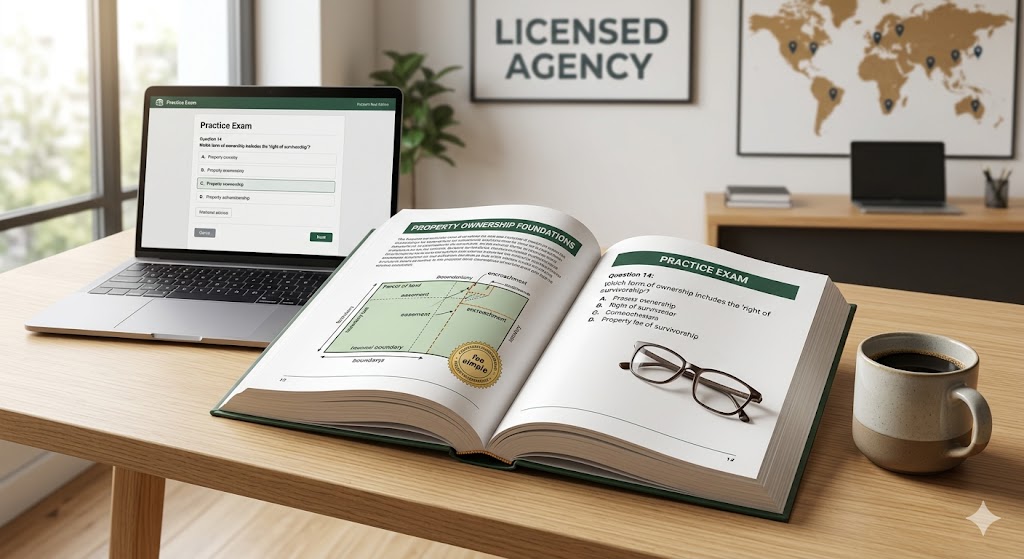
Additional Information
What the Course Entails and Exam Details
This comprehensive course delves into the fundamental principles of real estate ownership and land use. Students will examine the different types of legal estates, ranging from fee simple absolute to various forms of life estates. It covers the crucial differences between real and personal property, ensuring a clear understanding of what is included in a sale. Key topics include forms of co-ownership, such as joint tenancy and tenancy in common, and the unique rights and responsibilities associated with each. The syllabus also covers encumbrances that can affect property titles, such as liens, easements, and encroachments, as well as public and private land use controls, including zoning ordinances and deed restrictions.
What to Expect in the Final Exam
The actual "Property Ownership" section is integrated into the National Portion of the PSI Real Estate Licensing Exam. You can expect a series of multiple-choice questions, typically 10 to 15, within the broader 80-question national exam. You will generally have approximately 150 minutes to complete the entire national section. While passing scores can vary slightly by state, you typically need to achieve a total score of around 70% to 75% on the national portion to pass. The questions are designed to be application-based, challenging your ability to apply legal concepts to real-world scenarios. Immediately upon completing the computer-based exam, you will receive a pass/fail report, along with a diagnostic breakdown of your performance in each topic area.
How to Study and Exam Centers
Effective preparation for this exam requires a structured study plan. Start by thoroughly reviewing the "Candidate Information Bulletin" provided by PSI for your specific state, as it outlines the exact number of property ownership questions you will face. Focus your efforts on mastering the vocabulary; a clear understanding of terms like "severalty," "emblements," and "appurtenance" is crucial. Create flashcards for key definitions and legal concepts. The single most effective strategy is to take multiple practice exams, like the one offered here, which simulate the actual testing environment and provide detailed rationales for every correct and incorrect answer. This will help you build stamina and identify weak areas. When you are ready, you can schedule your exam at a designated PSI testing center, through Pearson VUE, or at authorized physical locations listed on the PSI website. Some states may also offer online proctored exams.
Job Opportunities from the Course
Successfully mastering the concepts of property ownership and passing your real estate licensing exam unlocks a wide variety of career paths within the real estate industry. A thorough understanding of property rights and limitations is vital for success in any of these roles.
Real Estate Agent: Helping clients buy, sell, and rent properties while ensuring all legal ownership complexities are addressed.
Real Estate Broker: Managing a brokerage and providing elevated guidance to agents on intricate property ownership and transfer issues.
Property Manager: Overseeing the operations of residential or commercial properties and navigating legal agreements, leases, and owner rights.
Leasing Agent: Specialized real estate professional who focuses on finding tenants for rental properties and managing lease terms.
Real Estate Appraiser: Determining the value of properties, a process that requires a detailed analysis of ownership rights, encumbrances, and land use restrictions.
Real Estate Consultant: Advising clients on investment opportunities, development projects, and property portfolios, using expert knowledge to mitigate risk.
Frequently Asked Questions
Reviews
5.0
Based on 0 reviews
Leave a Review
No reviews yet. Be the first to review!