
RRC DA Nutrition Practice Test
$69.00
- Buy to unlock unlimited access to all Quiz questions and Answers in this Quiz.
- After purchase you can print a PDF of the whole quiz at any point. The PDF will contain the questions and the correct answers.
About this Exam
Welcome to your ultimate guide for the RRC DA Nutrition exam.
This comprehensive test is specifically designed for students enrolled in the Dietary Aide and Dental Assisting programs at Red River College (RRC) and similar institutions.
The certification ensures that future healthcare workers, dietary staff, and dental professionals have a robust understanding of human nutrition.
This exam is perfect for students looking to solidify their knowledge before stepping into real-world healthcare facilities.
Whether you are transitioning into a long-term care environment, a hospital, or a busy dental practice, mastering this material is your first step toward a successful and rewarding career.
Ready to test your knowledge?
Buy Now to Access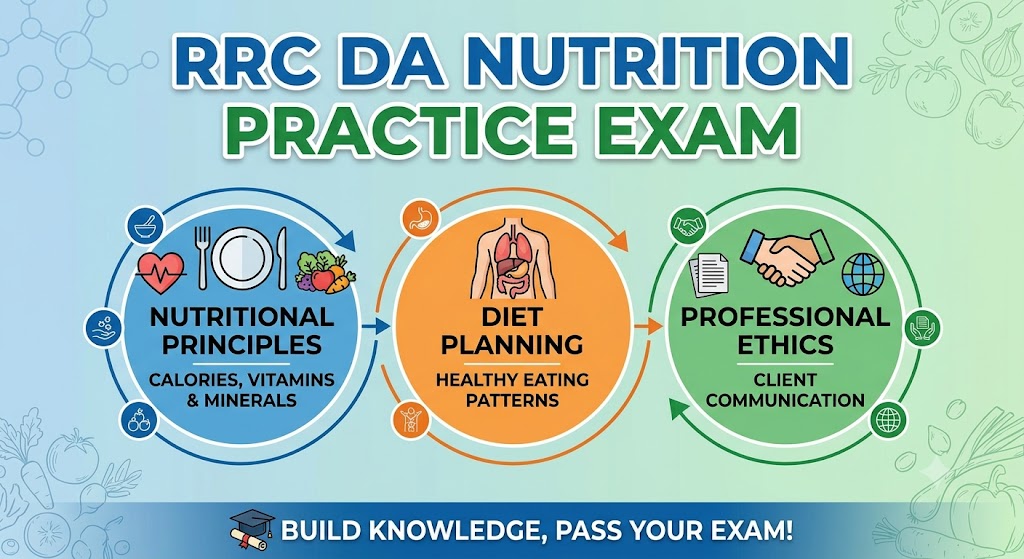
Additional Information
What the Course Entails and Exam Details
The RRC DA Nutrition course covers a broad spectrum of essential dietary and biological concepts.
Students are trained on the foundational principles of special diets, food safety, sanitation, and general food service operations.
You will explore the major classes of nutrients, including how they function within the human body and their direct impact on chronic diseases.
The syllabus dives deep into nutrition needs throughout the human lifecycle, taking you from pediatric dietary needs to geriatric care.
Menu planning, therapeutic diet adjustments, and the principles of quantity food production are also heavily featured.
Furthermore, you will learn to apply national dietary guidelines to daily living and institutional care.
Specialized topics like texture-modified diets, fluid-modified diets, and the correlation between diet and dental health are integral parts of the curriculum.
What to Expect in the Final Exam
Preparing for the final exam requires a clear understanding of its structure and testing rules.
The test primarily consists of multiple-choice questions, but it often includes practical, scenario-based questions.
In these scenarios, you must adjust a menu or identify correct dietary choices for a specific patient profile.
To achieve a passing score, candidates are typically required to reach a minimum of 70%, though you should aim much higher to ensure a strong grasp of the concepts.
The exam is rigorously timed, usually allowing between 90 minutes to two hours for completion.
You must strictly adhere to testing rules, which means no unauthorized study materials, phones, or personal notes are allowed in the testing area.
Some versions of the test may be administered digitally, requiring basic computer navigation skills to flag questions and manage your time effectively.
How to Study and Exam Centers
Success on the RRC DA Nutrition Practice Exam comes down to strategic and consistent preparation.
Start by creating a comprehensive study schedule that breaks down the syllabus into manageable daily chunks.
Utilize flashcards to memorize the major classes of nutrients, caloric values, and specific dietary terminology.
Practice taking timed mock exams to build your stamina and get comfortable with the pacing of the real test.
Group study sessions can be highly beneficial for discussing complex therapeutic diets and working through menu planning scenarios together.
When it comes time to take the actual test, exams are typically held at authorized testing centers such as the RRC Polytech campuses or through designated online proctored portals.
If you are taking the exam remotely, ensure your computer meets all the technical requirements and that you have a quiet, distraction-free environment.
For in-person exams, always arrive at least 30 minutes early with proper, government-issued identification to complete the check-in process smoothly.
Job Opportunities from the Course
Earning your credentials by passing this nutrition exam opens the door to a variety of fulfilling and stable career paths.
Graduates frequently secure positions as Dietary Aides in hospitals, long-term care facilities, and rehabilitation centers.
In these roles, you will directly assist in preparing and serving nutritious meals tailored to patients' specific medical needs.
If you are following the dental track, this knowledge equips you to work as a Certified Dental Assistant, where you will educate patients on how their dietary choices directly impact their oral health.
Other exciting opportunities include roles as a Food Service Worker, Nutrition Assistant, or Dietary Clerk in institutional settings.
Each of these positions offers a stable career trajectory with the potential to advance into dietary management, specialized healthcare administration, or public health education roles over time.
Frequently Asked Questions
Reviews
5.0
Based on 0 reviews
Leave a Review
No reviews yet. Be the first to review!