
Senior Fitness Test (SFT) Practice Exam
$69.00
- Buy to unlock unlimited access to all Quiz questions and Answers in this Quiz.
- After purchase you can print a PDF of the whole quiz at any point. The PDF will contain the questions and the correct answers.
About this Exam
The Senior Fitness Test (SFT) is a comprehensive battery of tests designed specifically to assess the functional fitness levels of older adults, typically defined as individuals aged 60 and above. This evidence-based assessment tool, developed at Fullerton University, measures the physical capacity needed to perform common everyday activities, such as walking, climbing stairs, lifting objects, and maintaining balance. The SFT certification is invaluable for fitness professionals, personal trainers, physical therapy assistants, and wellness coordinators who work with the aging population. By understanding and administering the SFT, practitioners can develop safe, effective, and personalized exercise programs that help seniors maintain independence, prevent falls, and improve their overall quality of life.
Ready to test your knowledge?
Buy Now to Access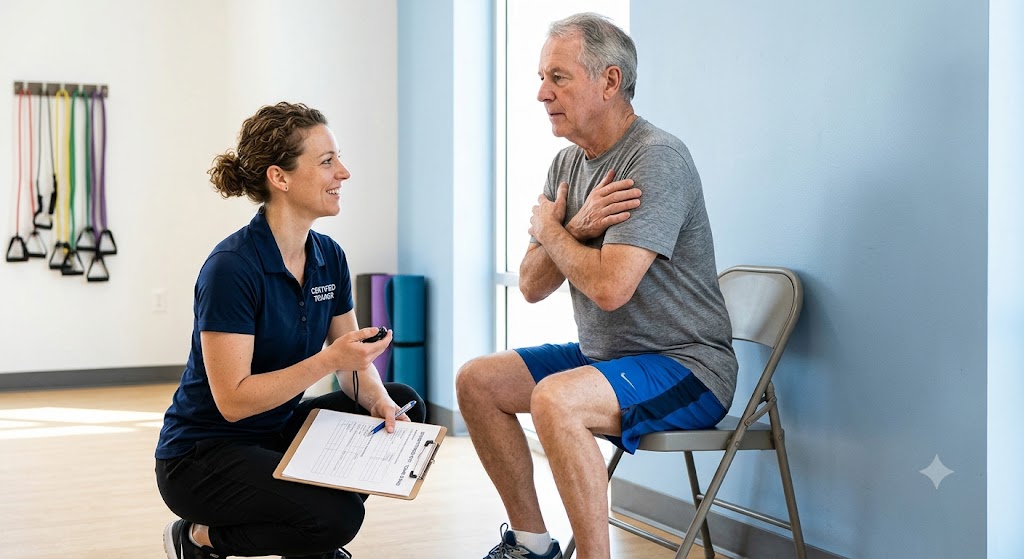
Additional Information
What the Course Entails and Exam Details
This practice exam and the underlying study material cover the seven core components of the Senior Fitness Test. To succeed, students must understand the purpose, administration protocol, equipment needed, and safety considerations for each of the following assessments:
30-Second Chair Stand Test: Measures lower body strength.
Arm Curl Test: Assesses upper body strength.
6-Minute Walk Test or 2-Minute Step Test: Evaluates aerobic endurance.
Chair Sit-and-Reach Test: Measures lower body (hamstring) flexibility.
Back Scratch Test: Assesses upper body (shoulder) flexibility.
8-Foot Up-and-Go Test: Evaluates agility and dynamic balance.
Body Mass Index (BMI): Measures body composition (optional component).
Furthermore, the coursework entails understanding how to interpret SFT scores using normative data for different age groups and genders. This includes learning how to identify fitness weaknesses and tracking progress over time.
What to Expect in the Final Exam
When seeking a formal certification in the Senior Fitness Test, the exam structure typically involves both a written and sometimes a practical component, depending on the certifying organization (e.g., the American College of Sports Medicine or other fitness agencies).
Written Exam:
The written portion generally consists of multiple-choice questions designed to test your knowledge of the SFT protocols, the physiological basis for each test, safety guidelines, and score interpretation.
Format: Multiple-choice questions.
Time Limit: Usually 60 to 90 minutes.
Passing Score: Requirements vary by organization, but typically range from 70% to 80%.
Practical Exam (if required):
Some certifications may require you to demonstrate proficiency in administering the SFT. This usually involves performing the tests correctly, ensuring client safety, and providing accurate instructions and scoring in a real or simulated setting.
How to Study and Exam Centers
Preparing for the SFT exam requires a combination of conceptual understanding and practical application.
Actionable Study Strategies:
Master the Official Manual: The Senior Fitness Test Manual (typically the latest edition by Rikli and Jones) is the primary resource. Study the specific protocols for administering every test component.
Practice Administration: The most crucial step is practicing administering the tests. Find older adult volunteers (ensuring they have physician clearance if necessary) and practice giving instructions, setting up the equipment, timing, and recording scores.
Focus on Safety: Memorize the safety indications and contraindications for each test. Knowing when not to administer a test is just as important as knowing how to do it.
Utilize Practice Exams: Use this SFT Practice Test to simulate the exam environment, identify your weak areas, and get comfortable with the types of multiple-choice questions you will encounter.
Review Normative Data: Become familiar with how to look up and interpret SFT scores using the normative tables provided in the manual.
Exam Centers:
For official SFT certification, you will need to register with a specific certifying body (e.g., ACSM).
Online Portals: Many written SFT certification exams are administered online through secure proctoring portals. This allows candidates to take the test from the comfort of their home or office.
Testing Centers: Some organizations partner with established testing providers (such as Pearson VUE) to offer the written exam at authorized, proctored testing centers worldwide.
Authorized Schools/Workshops: Practical components of the certification are often completed at live workshops or through authorized schools specializing in fitness and exercise science.
Job Opportunities from the Course
A certification demonstrating proficiency in the Senior Fitness Test opens up diverse career opportunities focused on working with the rapidly growing population of older adults. This qualification enhances your resume for various roles in fitness, wellness, and healthcare settings.
Certified Senior Fitness Specialist
Personal Trainer Specializing in Active Aging
Group Fitness Instructor for Older Adults (e.g., SilverSneakers)
Physical Therapy Assistant (PTA)
Occupational Therapy Assistant (OTA)
Wellness Coordinator at Retirement Communities
Activity Director at Assisted Living Facilities
Recreational Therapist
Corporate Wellness Coach (focusing on pre-retirement populations)
Frequently Asked Questions
Reviews
5.0
Based on 0 reviews
Leave a Review
No reviews yet. Be the first to review!