
Vermont Natural Gas Certification Practice Test
$69.00
- Buy to unlock unlimited access to all Quiz questions and Answers in this Quiz.
- After purchase you can print a PDF of the whole quiz at any point. The PDF will contain the questions and the correct answers.
About this Exam
The Vermont Natural Gas Certification is a mandatory credential for trade professionals authorized to work on natural gas systems within the state.
This certification ensures that technicians possess the essential knowledge to install, service, and inspect gas piping and appliances safely and in compliance with state codes.
It is primarily designed for HVAC technicians, plumbers, pipefitters, and maintenance personnel who wish to legally operate within Vermont's energy sector.
By achieving this certification, you demonstrate a commitment to public safety, adherence to legal codes, and high technical standards in the heating trade.
Ready to test your knowledge?
Buy Now to Access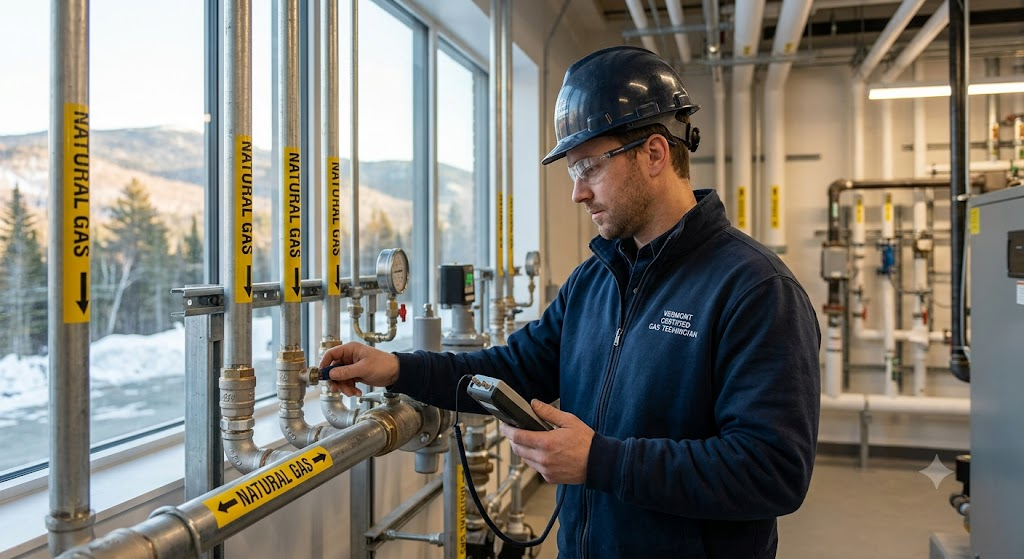
Additional Information
What the Course Entails and Exam Details
The path to certification generally requires the successful completion of a recognized course of study, such as the American Gas Association (AGA) program, before taking the final exam.
This comprehensive curriculum provides the necessary theoretical background and foundational skills required for the trade.
Core topics covered in the training include the fundamentals of gas combustion, the properties of natural gas, and proper gas appliance venting.
Students must also master the understanding of gas pressure regulation, control systems troubleshooting, electrical theory related to gas controls, and safe handling procedures for natural gas equipment.
Furthermore, a strong emphasis is placed on navigating the specific requirements of the Vermont Fire and Building Safety Code and NFPA 54 (National Fuel Gas Code).
What to Expect in the Final Exam
The final certification assessment is a standardized written examination designed to verify your competency in natural gas systems.
Candidates can expect the exam to be composed of multiple-choice questions focusing heavily on code interpretation, safety protocols, and appliance installation logic.
The examination is often divided into sections covering specific areas, such as venting, piping sizing, controls, and code compliance.
While specific score requirements might vary based on the administering body, generally, a score of 70% to 80% is required to pass.
This is a rigorous assessment, meaning you will need a strong recall of the key regulations and combustion mathematics without the aid of external resources.
How to Study and Exam Centers
A winning study strategy includes a meticulous review of the core training materials provided during your course of study and the primary source codes, particularly NFPA 54.
Integrating a practice exam into your study routine is the most effective way to identify knowledge gaps and familiarize yourself with the phrasing of the question formats.
We recommend taking multiple practice tests under timed conditions to build both speed and accuracy for the actual test day.
Do not neglect the practical application of your knowledge; visualizing real-world installations can help you solve complex venting and piping questions.
The formal exam is administered through authorized testing venues approved by the Vermont Division of Fire Safety, often located at regional state offices or affiliated technical centers.
You must contact the Vermont Division of Fire Safety or an approved proctoring service to schedule your examination date and locate your nearest center.
Job Opportunities from the Course
Earning your Vermont Natural Gas Certification unlocks numerous lucrative and essential career paths within the state's skilled trades.
Once certified, you will be highly marketable to residential heating companies, utility suppliers, and commercial contracting firms.
The specific job titles and career paths available to certified professionals include:
HVAC Service Technician
Natural Gas Installer
Pipefitter / Gas Fitter
Energy Efficiency Auditor
Gas Systems Inspector
Maintenance Technician for Commercial Facilities
Utility Field Service Representative
Frequently Asked Questions
Reviews
5.0
Based on 0 reviews
Leave a Review
No reviews yet. Be the first to review!